




What If I Need a Replacement Stair Tread? A Complete Repair and Upgrade Guide
Call 208-573-7771 to purchase Replacement Stair Treads!
Cracked edges, worn surfaces, loose steps, or slippery finishes are more than cosmetic problems—they’re safety hazards. If a stair tread is damaged, replacing it quickly helps prevent accidents, protects the underlying structure, and restores the look of your staircase.
So, what should you do if you need a replacement stair tread?
This guide walks through when replacement is necessary, how to assess damage, how to measure and source a new tread, installation options, and how to prevent future failures—for both interior and exterior stairs.
When Does a Stair Tread Need Replacement?
Some wear is normal over time, but certain signs mean repair alone isn’t enough.
You should replace a stair tread if you notice:
- Cracks running through the tread
- Chipped or broken nosings
- Spalling or flaking concrete
- Rotten wood
- Rusting metal supports
- Excessive warping
- Loose or shifting steps
- Smooth, slippery surfaces that can’t be restored
- Structural sagging beneath the step
If the damage affects stability or creates trip hazards, replacement—not patching—is usually the safest solution.
Common Types of Stair Tread Damage
Different materials fail in different ways.

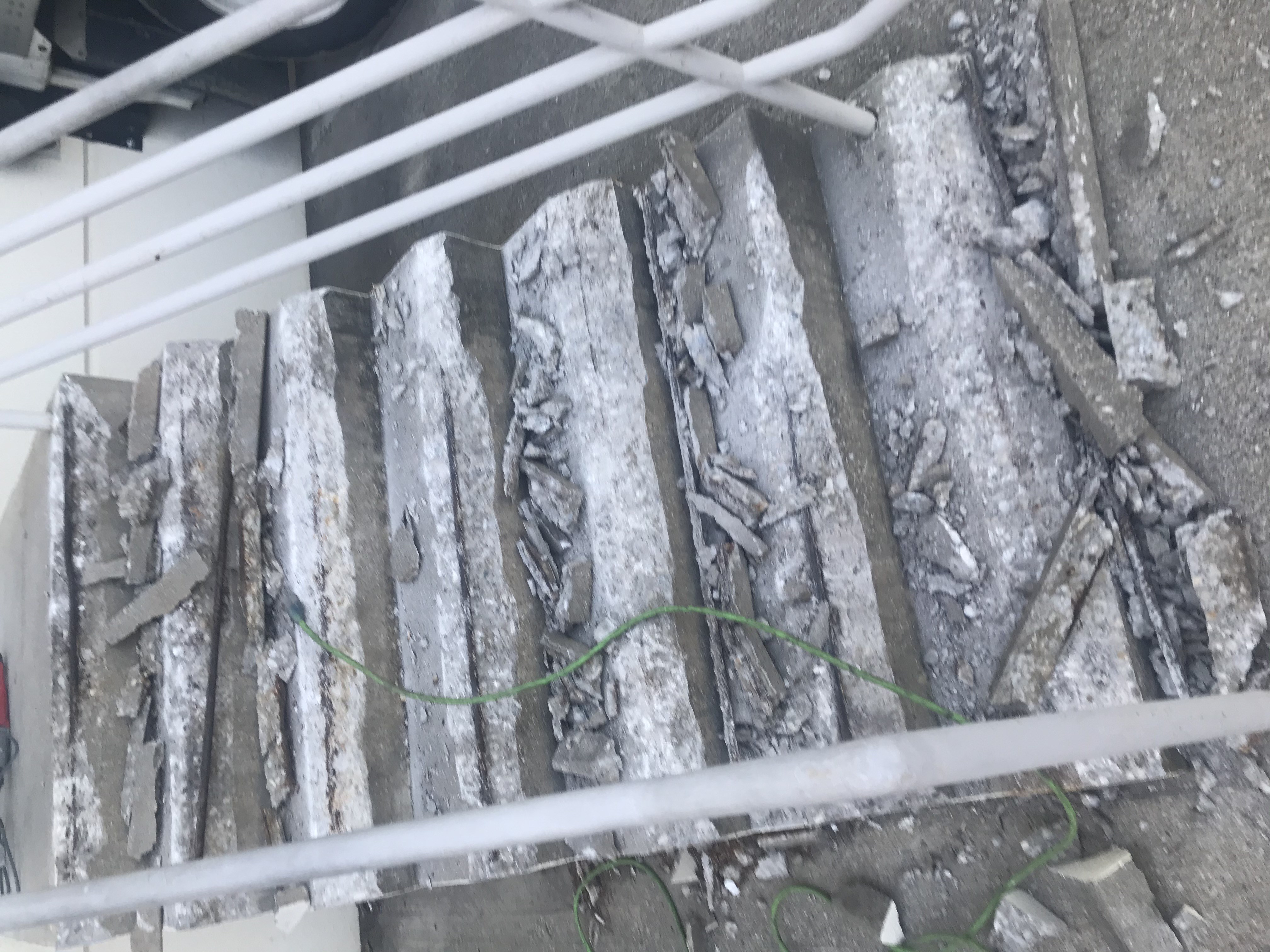


▶ Concrete Stair Treads
- Freeze–thaw cracking
- Surface scaling from de-icing salts
- Chipped edges
- Settlement-related fractures
▶ Wood Stair Treads
- Rot or moisture damage
- Splitting
- Severe scratches
- Loose fasteners
▶ Metal Stair Treads
- Corrosion
- Bent grating
- Loose welds or anchors
▶ Stone Stair Treads
- Cracks
- Delamination
- Polished surfaces becoming slippery
Repair vs. Replace: How to Decide
Minor issues—like hairline surface cracks, worn sealers, or small chips—can sometimes be repaired.
Replacement is usually the better choice when:
✔ The tread is structurally compromised
✔ Damage reaches through the material
✔ The nosing is broken
✔ The step rocks or moves
✔ Multiple repairs have already failed
✔ Safety is affected
✔ Code compliance is questionable
In high-traffic or exterior areas, replacement often saves money long term by preventing repeated patching.
Step 1: Inspect the Stair Structure
Before ordering a new tread, inspect what’s underneath.
Check:
- Stringers or framing for rot or rust
- Concrete bases for cracks
- Steel supports for corrosion
- Landing connections
- Drainage issues
If the structure is damaged, fix that first—or the new tread may fail prematurely.
Step 2: Measure the Existing Stair Tread
Accurate measurements are critical.
Record:
✔ Width (side to side)
✔ Depth (front to back, excluding nosing)
✔ Riser height
✔ Nosing projection
✔ Tread thickness
✔ Number of steps affected
✔ Interior or exterior location
Measure multiple steps—older stairs often vary.
Step 3: Match or Upgrade the Material
You can:
- Replace with the same material for consistency
- Upgrade to something more durable
- Add slip-resistant finishes
- Switch to precast concrete outdoors
- Retrofit thin overlays
Exterior replacements often benefit from weather-resistant materials and textured surfaces.
Step 4: Order a Standard or Custom Replacement
You may need custom stair treads if:
- The width is unusual
- The stair opening isn’t square
- Existing steps vary
- It’s part of a historic structure
- Accessibility standards apply
Factory-made precast treads are commonly used for exterior stairs because they provide consistent dimensions and long-term durability.
Step 5: Remove the Damaged Tread
Removal depends on how the old tread was installed.
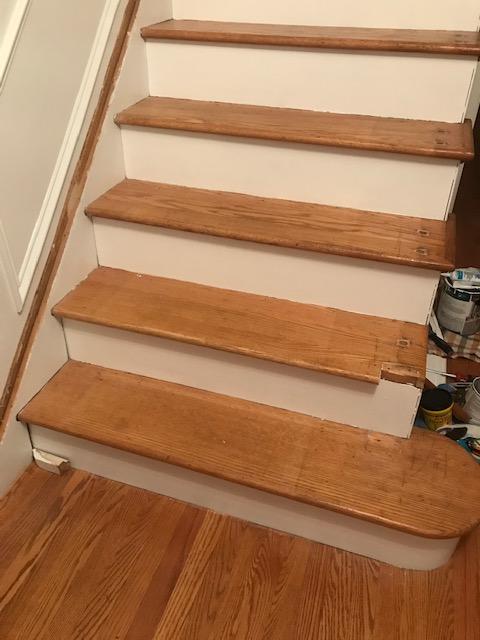


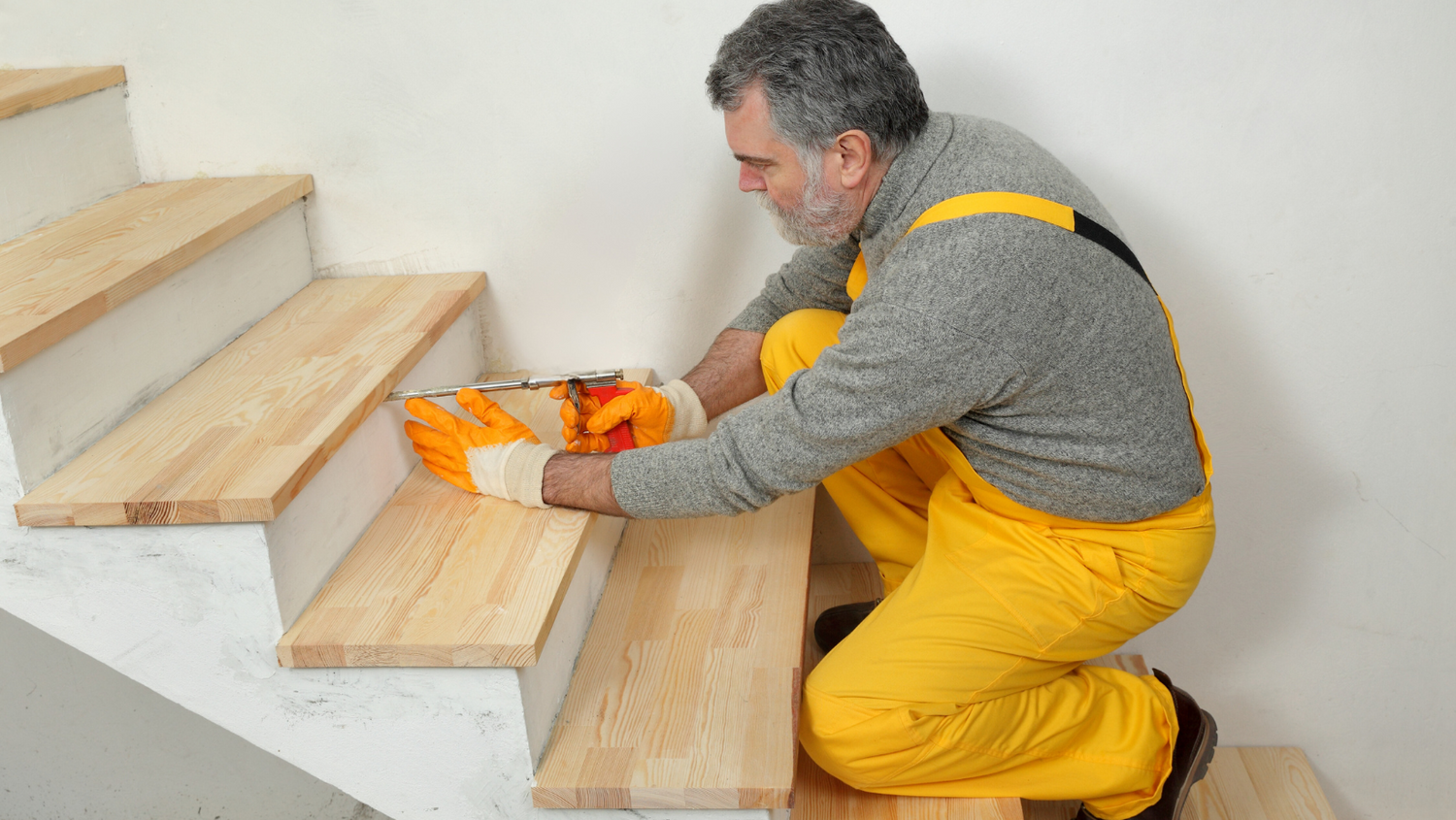
Common approaches include:
- Cutting mortar joints
- Pry bars for wood treads
- Grinding anchors free
- Lifting broken concrete sections
- Cleaning remaining bedding material
The support surface must be clean, sound, and level before installing the replacement.
Step 6: Install the New Stair Tread
Replacement treads are typically:
- Set in mortar beds
- Anchored mechanically
- Adhered with structural adhesives
- Supported on steel stringers
Exterior replacements should include:
✔ Drainage slope
✔ Textured surfaces
✔ Sealed joints
✔ Freeze–thaw-resistant mortar
Always follow manufacturer or engineer recommendations for fastening and curing.
Step 7: Finish and Protect
After installation:
- Fill joints cleanly
- Tool edges
- Apply sealers if required
- Install traction strips if needed
- Protect during curing
- Restrict foot traffic until fully set
These finishing steps are critical for long-term performance.
Preventing Future Stair Tread Failures
Good design and maintenance go a long way.
To extend lifespan:
✔ Choose weather-rated materials outdoors
✔ Maintain sealers and coatings
✔ Replace worn traction strips
✔ Clear snow with plastic shovels
✔ Avoid harsh chemicals when possible
✔ Fix drainage issues
✔ Inspect annually
Proactive care reduces the chance of emergency replacements later.
When to Call a Professional
Hire an experienced contractor if:
- Structural repairs are required
- Several treads need replacement
- Anchoring systems are complex
- Code inspections apply
- Exterior freeze–thaw exposure is severe
- Commercial stairs are involved
Stairs are safety-critical—professional installation is often worth it.
Quick Checklist: Replacing a Stair Tread
✔ Identify the damage
✔ Inspect the structure
✔ Measure carefully
✔ Choose material
✔ Decide standard vs. custom
✔ Remove old tread
✔ Prepare substrate
✔ Install and secure new tread
✔ Finish joints
✔ Allow proper curing
Final Thoughts: Replacing a Stair Tread the Right Way
Needing a replacement stair tread doesn’t have to mean a full staircase rebuild. With proper inspection, accurate measurements, and durable materials, damaged steps can be replaced efficiently—restoring safety and appearance at the same time.
For exterior or high-traffic areas, upgrading to durable, slip-resistant stair treads—such as precast concrete systems—often delivers the longest service life and lowest maintenance over time.
If you’d like to continue expanding this resource library, great follow-up topics include:
• How to Repair Cracked Concrete Steps
• When to Replace vs. Resurface Stair Treads
• Exterior Stair Maintenance Guide
• How to Make Stairs Slip Resistant
Tell me which one you want to write next.