



What Are Stair Treads? A Complete Guide for Homeowners, Builders, and Designers
Stair treads are one of the most important components of any staircase—yet they’re often overlooked until a renovation or new build is underway. Whether you’re upgrading an aging stairway, designing a commercial entrance, or specifying materials for a new construction project, understanding stair treads helps ensure safety, durability, and long-term value.
This in-depth guide explains what stair treads are, how they work, the types available, common materials, sizing standards, and how to choose the right stair treads for your project—with a focus on performance and professional results.
What Is a Stair Tread?
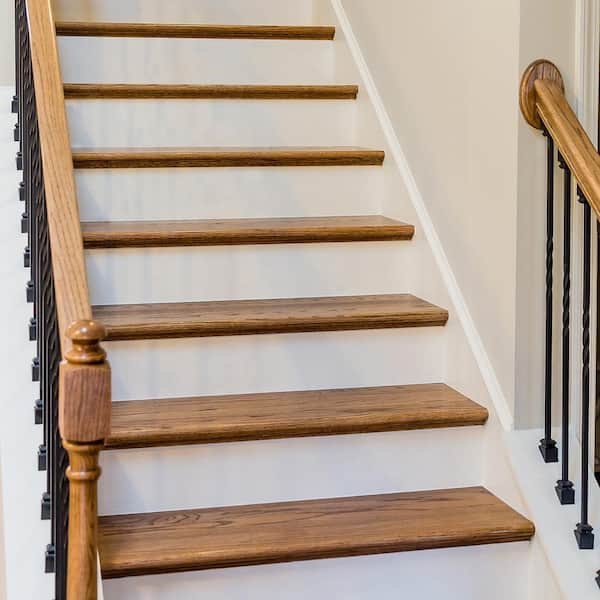
A stair tread is the horizontal surface of a step—the part you walk on when moving up or down a staircase. Each step typically consists of:
- Tread — the flat walking surface
- Riser — the vertical face between steps
- Nosing — the front edge that slightly overhangs the riser
Together, these components form a safe and functional stair system.
Treads must support constant foot traffic, resist wear, and provide adequate traction. In residential homes, they also contribute to interior design. In commercial or industrial settings, stair treads are engineered primarily for strength, slip resistance, and compliance with building codes.
Why Stair Treads Matter
Quality stair treads play a major role in:
- Safety — reducing slips and falls
- Structural integrity — supporting repeated loads
- Durability — standing up to weather or heavy use
- Appearance — shaping the visual style of a staircase
- Code compliance — meeting dimensional and performance standards
Poorly chosen or improperly installed treads can create hazards, increase maintenance costs, and shorten the life of a staircase.
Common Types of Stair Treads
Different projects call for different stair tread styles and construction methods.



▶ Solid Stair Treads
Single-piece units made from wood, concrete, stone, or metal. These are commonly used in permanent stair systems where long-term strength is required.
▶ Precast Stair Treads
Factory-made concrete treads designed to be installed on site. They’re popular for exterior stairs, commercial buildings, and renovations because of their consistency, durability, and fast installation.
▶ Open-Riser Treads
Treads installed without a riser beneath them, creating a floating or modern look. Often used in contemporary interiors or architectural staircases.
▶ Retrofit Stair Treads
Designed to overlay existing stairs, allowing upgrades without full demolition—ideal for remodeling or safety improvements.
Materials Used for Stair Treads
The material you choose affects cost, longevity, maintenance, and performance.
Concrete Stair Treads
Concrete is widely used in exterior, commercial, and industrial staircases.
Benefits include:
- Excellent load-bearing capacity
- Weather resistance
- Fire resistance
- Long service life
- Low maintenance
Precast concrete stair treads are especially popular because they’re manufactured under controlled conditions, ensuring uniform dimensions and finishes.
Wood Stair Treads
Common in residential interiors.
Pros:
- Warm, classic appearance
- Many species and finishes
- Can be refinished
Considerations:
- Requires maintenance
- Less suitable for outdoor use unless treated
Metal Stair Treads
Often used in industrial facilities, fire escapes, or mechanical spaces.
Pros:
- High strength
- Slip-resistant patterns available
- Durable under heavy traffic
Stone Stair Treads
Natural stone such as granite or limestone offers a premium look for exterior entrances or luxury homes.
Pros:
- Elegant appearance
- Long lifespan
Considerations:
- Higher cost
- Requires skilled installation
Interior vs. Exterior Stair Treads
Outdoor stair treads face much harsher conditions than interior ones.


Exterior Stair Treads Must Withstand:
- Rain, snow, and freeze-thaw cycles
- UV exposure
- Temperature swings
- Heavy foot traffic
Concrete and textured stone are common choices for outdoor use.
Interior Stair Treads Focus On:
- Comfort underfoot
- Aesthetic appeal
- Noise reduction
- Finish quality
Wood, engineered materials, or polished concrete are typical indoors.
Standard Stair Tread Dimensions
Building codes vary by region, but most stair treads fall within common dimensional ranges:
- Depth (front to back): typically 10–11 inches minimum
- Width: matches the staircase span
- Thickness: depends on material and structural design
- Nosing projection: often about ¾–1¼ inches
Commercial stair systems may require stricter tolerances for slip resistance and uniformity.
Always verify local code requirements before specifying or installing stair treads.
How Stair Treads Are Installed
Installation methods depend on the structure and materials used.
Common Approaches Include:
- Setting precast concrete treads onto steel stringers
- Mortaring treads onto masonry bases
- Anchoring to concrete landings
- Mechanical fastening for metal systems
- Adhesive and fastener combinations for wood stairs
Proper alignment, level placement, and secure anchoring are critical for safety and longevity.
How to Choose the Right Stair Treads
When selecting stair treads for a project, consider:
✔ Location — interior or exterior
✔ Traffic volume — residential vs. commercial
✔ Slip resistance needs
✔ Design style
✔ Maintenance expectations
✔ Budget
✔ Installation method
For contractors and property owners, precast concrete stair treads are often favored for exterior or high-traffic areas because they balance performance, speed of installation, and long-term value.
Benefits of High-Quality Stair Treads
Investing in professional-grade stair treads delivers:
- Increased safety
- Lower maintenance costs
- Longer lifespan
- Improved property value
- Cleaner visual appearance
- Compliance with building standards
In commercial settings, durable stair systems also reduce liability risks and future replacement expenses.
Final Thoughts: Why Stair Treads Deserve Attention
Stair treads are far more than just stepping surfaces—they’re structural components that influence safety, aesthetics, and long-term performance. From residential remodels to large-scale commercial projects, selecting the right material and construction method ensures your staircase remains reliable for decades.
If you’re planning a new staircase or upgrading an existing one, understanding stair tread options—from precast concrete systems to interior wood finishes—puts you in a strong position to make confident, cost-effective decisions.