



Absolutely—here’s a long-form, SEO-optimized resource with a confident, professional tone that fits a concrete / construction audience.
Stair Treads Are the Safer Option: Why Quality Treads Reduce Risk and Improve Performance
When it comes to staircase design, safety is not optional—it’s foundational. Whether in a private residence, a commercial building, or an exterior public space, stair treads play a critical role in preventing slips, trips, and falls. Compared to unfinished steps or improperly surfaced stairs, well-designed stair treads are the safer option for both people and property.
This guide explains why stair treads improve safety, how they outperform other stair surface solutions, and what features make them a smart choice for long-term use.
Why Stair Safety Matters
Stairways are among the most frequently used—and most accident-prone—areas of any building. Safety risks increase when stairs are exposed to:
- Moisture or ice
- Uneven step dimensions
- Slick surfaces
- Poor visibility
- High foot traffic
- Aging materials
Quality stair treads are specifically engineered to address these risks by providing consistent dimensions, improved traction, and durable walking surfaces.
How Stair Treads Improve Safety
Stair treads are not just aesthetic upgrades—they’re functional safety components.
Key Safety Advantages of Stair Treads
✔ Slip-resistant surfaces
✔ Consistent tread depth and height
✔ Improved edge definition
✔ Secure attachment to the structure
✔ Durable materials that resist wear
✔ Compatibility with safety accessories
Each of these factors reduces the likelihood of accidents and improves user confidence on the stairs.
Stair Treads vs. Unfinished or Worn Steps
Unfinished or aging stairs often develop problems such as:
- Polished or slippery surfaces
- Chipped edges
- Uneven riser heights
- Loose materials
- Inconsistent repairs
Stair treads provide a uniform, purpose-built walking surface, restoring predictability and improving grip—especially important in high-traffic or outdoor environments.
Slip Resistance: A Major Safety Advantage
Traction is one of the most important factors in stair safety.

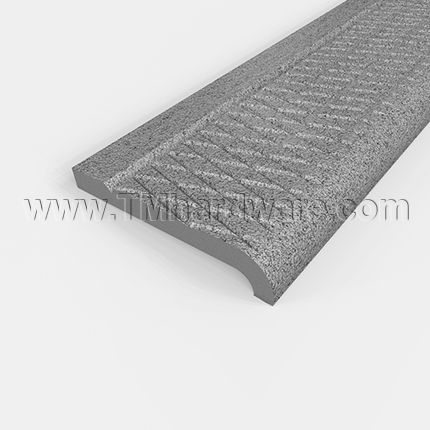


Quality stair treads can include:
- Textured finishes
- Exposed aggregate
- Abrasive or embedded traction strips
- Non-slip coatings
- Grooved or patterned surfaces
These features dramatically reduce slipping—especially in wet, icy, or muddy conditions.
Consistent Dimensions Reduce Trip Hazards
Even small variations in stair height or depth can cause trips.
Factory-made stair treads—especially precast concrete units—are manufactured to tight tolerances, ensuring:
- Uniform tread depth
- Consistent riser height
- Predictable foot placement
This consistency is especially important in commercial buildings, public stairways, and exterior installations.
Edge Protection and Visibility
Stair treads often incorporate defined nosings, which:
- Improve foot placement
- Protect edges from chipping
- Increase visibility
- Support traction accessories
In public or commercial spaces, contrasting nosings help users visually identify each step, further reducing missteps.
Durability = Long-Term Safety
Worn stairs become unsafe over time. Durable stair treads help prevent that.
Why Material Choice Matters
- Concrete stair treads resist wear, moisture, and impact
- Metal treads handle heavy loads and wet environments
- Composite and rubber treads offer traction and cushioning
- Wood treads require careful maintenance to remain safe
Precast concrete stair treads are especially valued for exterior and high-traffic areas because they maintain surface integrity for decades with minimal maintenance.
Interior and Exterior Safety Benefits


Exterior Stairs
Stair treads improve safety by handling:
- Rain and snow
- Freeze–thaw cycles
- Mud and debris
- Temperature swings
Textured concrete and anti-slip nosings are particularly effective outdoors.
Interior Stairs
Inside buildings, stair treads provide:
- Improved traction
- Reduced wear on structural stairs
- Cleaner finishes
- Predictable walking surfaces
Stair Treads vs. Temporary Fixes
Temporary solutions like paint-on coatings or surface patches can wear quickly or fail unevenly. Stair treads offer a permanent, engineered solution that integrates into the stair system rather than sitting on top of it.
Who Benefits Most From Safer Stair Treads?
Stair treads are especially valuable for:
- Families with children
- Homes with pets
- Seniors or mobility-limited users
- Commercial property owners
- Schools and public buildings
- Industrial facilities
In these settings, reducing liability and preventing injury is just as important as aesthetics.
Building Code and Compliance Considerations
Many building codes specify:
- Minimum tread depth
- Slip resistance requirements
- Nosing dimensions
- Uniformity tolerances
Proper stair treads help meet or exceed these standards, especially in commercial and exterior installations.
Quick Checklist: Why Stair Treads Are the Safer Option
✔ Better traction
✔ Uniform step geometry
✔ Edge protection
✔ Increased visibility
✔ Long-term durability
✔ Reduced maintenance risks
✔ Improved compliance
✔ Lower liability exposure
Final Thoughts: Stair Treads Are the Safer Choice
Stair treads are not simply decorative finishes—they are a critical safety upgrade. By improving traction, consistency, durability, and visibility, stair treads significantly reduce the risk of slips and falls in both residential and commercial environments.
For exterior stairs, high-traffic areas, and long-term performance, properly designed stair treads—especially durable precast concrete systems—provide one of the safest and most reliable stair solutions available.