



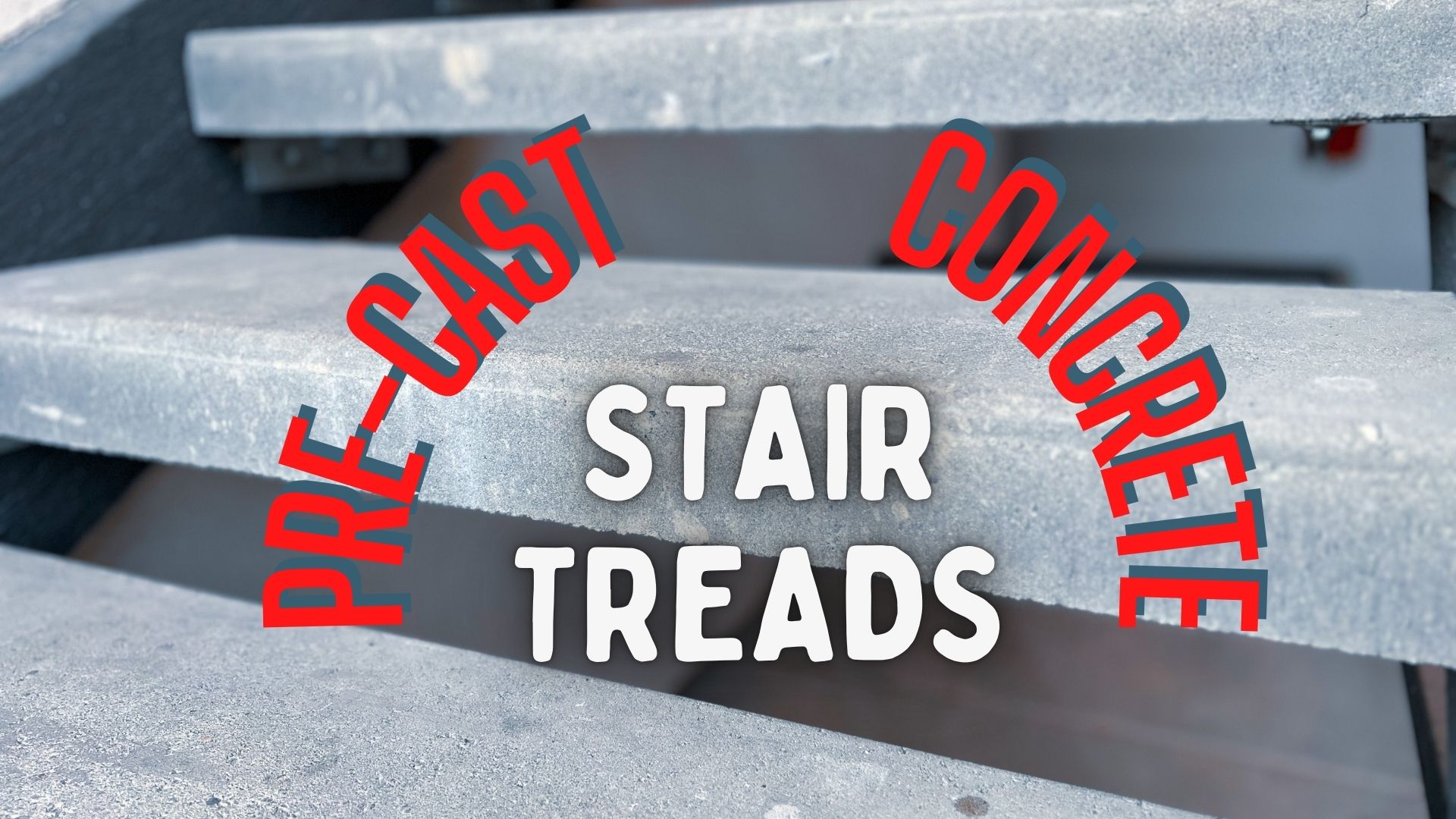

If you’re researching precast concrete stair treads, you’re probably asking the same core question everyone does:
“What’s this actually going to cost me—and is it worth it?”
Let’s cut through the noise. This guide breaks down real-world pricing, installation costs, and long-term value so you can make a confident decision—whether you’re a contractor bidding a job or a property owner trying to avoid another expensive repair cycle.
Average Cost of Precast Concrete Stair Treads (2026)
In 2026, most projects fall into this range:
- $100–$300 per tread (standard sizes)
- $300–$800+ per tread (custom sizes, finishes, or commercial specs)
What affects the price?
Several factors can push your project up or down:
- Tread size & thickness
- Quantity ordered (bulk = lower per-unit cost)
- Custom molds or finishes
- Freight/shipping distance
- Load-bearing requirements
Bottom line: The more standardized your project, the more cost-efficient precast becomes.
Installation Costs: What to Expect
Installation is where precast really separates itself.
Typical installation costs:
- $50–$150 per step (depending on site conditions)
- Often lower labor costs than poured concrete or wood
Why installation is cheaper:
- No forming or curing time
- Minimal on-site labor
- Consistent dimensions = faster install
- Reduced need for skilled finish work
For contractors, this means:
-Faster project turnaround
-Lower labor risk
-More predictable timelines
Precast vs Other Stair Options (Cost Comparison)
1. Wood Stairs
- Lower upfront cost
- High maintenance (rot, warping, replacement)
- Short lifespan (especially outdoors)
Reality: Cheap now, expensive later.
2. Poured Concrete
- High labor cost
- Requires forming, curing, and weather coordination
- Inconsistent quality between pours
Reality: Durable, but time-consuming and labor-heavy.
3. Precast Concrete (The Middle Ground That Wins Long-Term)
- Moderate upfront cost
- Minimal maintenance
- Fast installation
- Long lifespan
Reality: Best balance of cost, durability, and efficiency.
Real Project Cost Scenarios
Scenario 1: Small Residential Replacement
- 5 steps replaced
- Approx cost: $1,000–$2,500 total
Best use case:
- Replacing rotting wood stairs
- Fixing cracked entry steps
Scenario 2: Multi-Unit Property Upgrade
- 20–40 steps
- Approx cost: $5,000–$15,000
Best use case:
- Apartment buildings
- Rental property improvements
- Reducing liability risk
Scenario 3: Commercial Installation
- 50+ steps
- Custom specs
- Approx cost: $20,000+
Best use case:
- Office buildings
- Public infrastructure
- High-traffic environments
Hidden Costs Most People Miss
Here’s where inexperienced buyers get burned.
With wood or traditional builds:
- Frequent repairs
- Annual maintenance
- Water damage
- Slip hazards
- Liability exposure
With precast:
- Minimal maintenance
- Built-in durability
- Slip-resistant options
- Consistent performance over time
The real cost isn’t what you pay upfront—it’s what you keep paying year after year.
How Long Do Precast Concrete Stairs Last?
This is where precast dominates.
- Typical lifespan: 30–50+ years
- Resistant to:
- Freeze/thaw cycles
- Moisture damage
- Rot and pests
- Structural shifting
Compare that to wood:
- 5–15 years (often less in harsh climates)
Over time, precast often becomes the lowest-cost option per year of use.
When Precast Makes the Most Sense
Precast concrete stair treads are ideal if you:
- Need fast installation
- Want to minimize long-term maintenance
- Are managing multi-unit or commercial properties
- Want to reduce liability from slips or structural issues
- Are tired of replacing the same stairs every few years
If that sounds like your situation, precast isn’t just a good option—it’s probably the smartest one.
How to Get an Accurate Quote
Pricing can vary based on your exact project, so the smartest move is:
- Measure your existing stairs (or plans)
- Count total treads needed
- Note any custom requirements
- Request a quote from a precast supplier
Many suppliers will also help you determine whether you can retrofit existing stairs instead of replacing the entire structure—saving thousands.
Final Verdict: Are Precast Concrete Stair Treads Worth It?
If you’re only looking at upfront cost, precast might not always be the cheapest.
But if you care about:
- Long-term savings
- Durability
- Safety
- Speed of installation
Then precast concrete stair treads are one of the highest ROI decisions you can make for your property.
Ready to Upgrade Your Stairs?
If you’re planning a project and want to:
- Cut maintenance costs
- Speed up installation
- Install something that actually lasts
Get a quote and see what precast can do for your next build or renovation.
SEO Keywords naturally included:
precast concrete stair treads, cost of precast stairs, concrete stair replacement, outdoor stair treads, commercial stair systems, stair tread installation cost, durable outdoor stairs, slip resistant concrete steps
If you want this to perform even better, next step is pairing it with:
- Internal links
- A strong CTA button
- A couple real project photos
Say the word and I’ll optimize this for publishing on your exact site layout.