



How Are Stair Treads More Affordable Than Regular Stairs? A Cost-Smart Construction Guide
When planning a staircase project—whether it’s a new exterior entry, a commercial upgrade, or a worn set of steps—budget is always part of the conversation. Many property owners are surprised to learn that installing stair treads is often far more affordable than building or replacing an entire stair system.
So how exactly are stair treads more cost-effective than “regular” (fully rebuilt) stairs?
This guide breaks down where the savings come from, how precast concrete stair treads outperform full rebuilds financially, and why tread-based upgrades are one of the smartest investments for long-term durability and safety.
Stair Treads vs. Full Stair Replacement: What’s the Difference?
A full stair replacement usually involves:
- Demolishing the existing structure
- Rebuilding foundations or stringers
- Framing new steps
- Pouring or fabricating entire stair systems
- Longer permitting and inspection timelines
- Extended site disruption
Installing new stair treads, by contrast, often means:
- Keeping the existing structural frame
- Replacing only the walking surfaces
- Improving traction and appearance
- Upgrading durability
- Completing work much faster
That difference alone creates major cost advantages.
1) Less Demolition = Immediate Savings
Demolition is expensive.
Tearing out full stair systems adds:
- Labor hours
- Dumpster and hauling fees
- Dust control and site protection
- Disposal costs
- Temporary access solutions
Replacing or upgrading stair treads avoids most of that work—especially when the underlying structure is still sound.
Result: lower upfront project costs and faster turnaround.
2) Reduced Labor and Installation Time
Labor is often the biggest construction expense.
Pre-manufactured stair treads—especially precast concrete units—arrive ready to install, eliminating:
- Formwork
- On-site concrete pours
- Extended curing periods
- Multiple trade visits
- Repeated inspections
Shorter installation schedules translate directly into:
✔ Fewer crew hours
✔ Lower labor bills
✔ Minimal disruption for occupants or tenants
✔ Faster reopening of stairways
3) Long-Term Durability Prevents Repeat Spending
Cheap stair systems often need frequent repairs—especially outdoors.
High-quality stair treads are engineered for:
- Heavy foot traffic
- Freeze–thaw cycles
- Moisture exposure
- Impact resistance
- De-icing chemicals
- UV exposure
That durability reduces:
- Patch repairs
- Surface resurfacing
- Edge replacement
- Full stair rebuilds later
Over decades, this long service life is one of the biggest financial advantages.
4) Slip-Resistance Helps Avoid Liability Costs
Accidents are expensive—especially in commercial or rental properties.


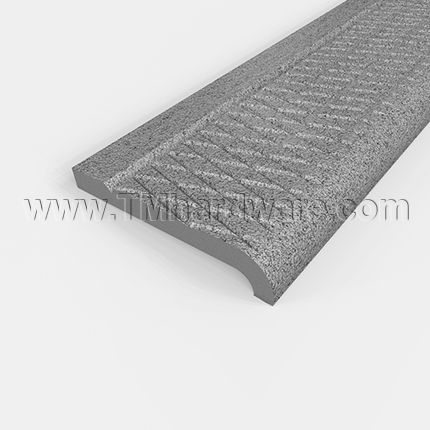

Stair treads can be manufactured with:
- Textured finishes
- Exposed aggregate
- Traction nosings
- Embedded grit strips
- Visual edge contrast
These safety features reduce the risk of falls, which can protect owners from medical claims, lawsuits, insurance increases, and business interruptions.
5) Weather Resistance Prevents Structural Damage
Exterior stairs take constant abuse.


Weather-ready stair treads help stop:
- Freeze–thaw cracking
- Water infiltration
- Salt damage
- Spalling surfaces
- Structural deterioration
When stairs last longer, replacement cycles stretch out—saving thousands over the building’s lifetime.
6) Targeted Upgrades Instead of Full Reconstruction
One of the biggest advantages of stair treads is selective replacement.
Instead of rebuilding everything, owners can:
- Replace only damaged steps
- Upgrade traction
- Improve appearance
- Add new nosings
- Bring stairs closer to code requirements
This targeted approach is far more affordable than tearing out an entire stairway.
7) Lower Maintenance Over Time
Some stair materials require constant upkeep—sanding, painting, sealing, patching, or refinishing.
High-performance concrete stair treads generally require:
✔ Routine cleaning
✔ Occasional resealing
✔ Traction-strip replacement
✔ Periodic inspection
That’s far less costly than refinishing wood every few years or replacing worn coverings repeatedly.
Stair Treads vs. Traditional Stair Builds: Cost Comparison
Traditional Full Stair Replacement
✖ High demolition costs
✖ Long project timelines
✖ Multiple trades involved
✖ Structural reconstruction
✖ Higher permitting complexity
✖ Extended closures
Stair Tread Upgrades (Especially Precast Concrete)
✔ Minimal demolition
✔ Faster installation
✔ Reuse of existing structure
✔ Long service life
✔ Lower maintenance
✔ Reduced liability risk
✔ Excellent return on investment
Who Saves the Most With Stair Treads?
Tread-based upgrades are especially cost-effective for:
- Apartment buildings
- Office complexes
- Retail storefronts
- Schools
- Hospitals
- Municipal buildings
- Multi-family housing
- Rental properties
- High-traffic residential entries
Anywhere long-term operating budgets matter, stair treads deliver serious financial advantages.
Quick Checklist: Why Stair Treads Are More Affordable
✔ Less demolition
✔ Faster installation
✔ Lower labor costs
✔ Longer lifespan
✔ Reduced maintenance
✔ Improved safety
✔ Lower liability exposure
✔ Delayed full stair replacement
✔ Predictable budgeting
Final Thoughts: Stair Treads Are a Smart Budget Decision
Stair treads aren’t just a cosmetic fix—they’re a strategic investment.
By minimizing demolition, shortening construction schedules, extending stair life, reducing maintenance, and improving safety, stair treads—especially precast concrete systems—are often far more affordable than building new staircases from scratch.
For property owners focused on performance and long-term value, upgrading stair treads is one of the most cost-efficient construction decisions available.