




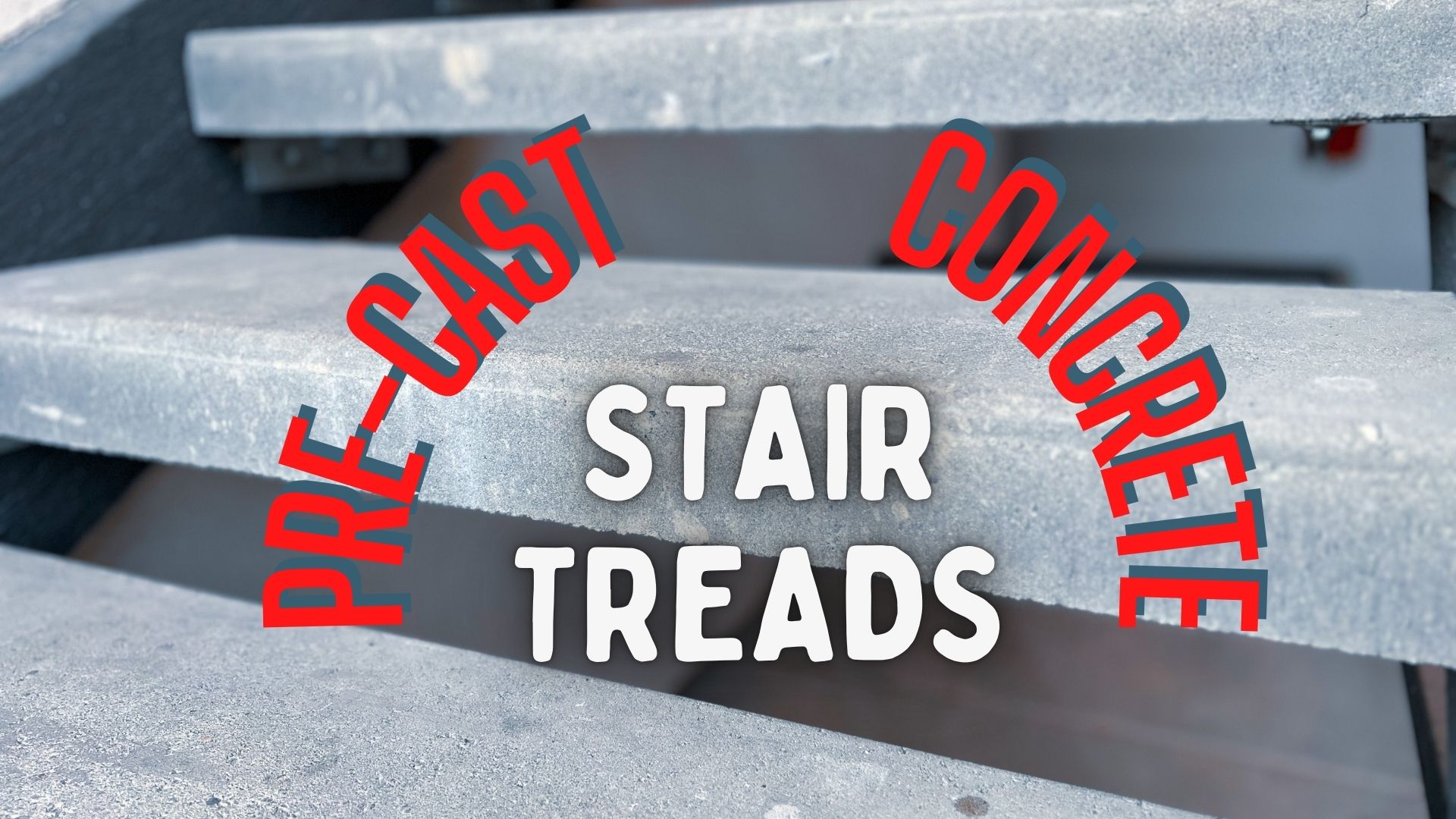

When builders, architects, and homeowners need stair systems that combine strength, consistency, and long-term performance, precast concrete stair treads are often the first choice.
From apartment complexes and office buildings to custom homes and outdoor entryways, precast stairs deliver structural reliability with a clean, professional finish.
In this guide, we’ll explain what precast concrete stair treads are, how they compare to poured-in-place steps, and why they’re widely used in both residential and commercial construction.
What Are Precast Concrete Stair Treads?
Precast concrete stair treads are manufactured in a controlled facility rather than poured on site. Each tread is formed using precision molds, cured under ideal conditions, and inspected for consistency before delivery.
This process produces:
- uniform dimensions
- smooth or textured finishes
- high compressive strength
- reduced on-site labor
- predictable installation timelines
Because they arrive ready to install, precast concrete steps help keep projects on schedule.
Why Builders Choose Precast Over Poured-in-Place Concrete
Traditional poured concrete stairs require formwork, curing time, and weather-dependent scheduling. Precast stair treads eliminate many of those uncertainties.
Key Advantages of Precast Concrete Stairs
✔ Faster Installation
Precast treads can often be set in place within hours rather than days.
✔ Superior Quality Control
Factory casting allows tighter tolerances and consistent finishes.
✔ Long-Term Durability
Concrete stair treads resist rot, insects, moisture damage, and freeze-thaw cycles.
✔ Reduced Site Disruption
Less forming, mixing, and cleanup on the jobsite.
✔ Design Flexibility
Available in multiple sizes, edge profiles, and surface textures.
Residential Uses for Precast Concrete Stair Treads
Homeowners commonly install precast stairs for:
- front entryways
- porch steps
- basement access
- garden staircases
- walk-out patios
- retaining wall transitions
Concrete steps provide a solid foundation and can later be finished with stone veneer, tile, or decorative coatings.
Commercial Applications
In commercial environments, durability and code compliance are critical. Precast concrete stair treads are widely used for:
- apartment complexes
- office buildings
- schools
- hospitals
- parking structures
- industrial facilities
Slip-resistant textures and uniform riser heights help meet safety requirements while maintaining a professional appearance.
How Long Do Precast Concrete Stairs Last?
Properly manufactured and installed precast concrete stair treads can last for decades with minimal maintenance.
They’re designed to withstand:
- heavy foot traffic
- harsh weather conditions
- deicing salts
- moisture exposure
- UV radiation
Routine inspections and occasional cleaning are typically all that’s needed.
Custom Sizes and Design Options
Many projects require more than standard step dimensions.
Custom precast stair treads may include:
- special widths or depths
- thicker profiles for heavy loads
- integrated nosing
- broom or exposed-aggregate finishes
- non-slip surfaces
- architectural edge details
These options allow precast stairs to match both functional and aesthetic requirements.
How to Choose the Right Precast Concrete Stair Treads
Before ordering, consider:
- project location
- stair width and rise
- load requirements
- residential vs commercial use
- finish preference
- local building codes
- installation method
Providing accurate measurements and drawings helps manufacturers recommend the correct solution.
Why Contractors Trust Precast Stair Systems
Contractors appreciate precast stairs because they:
- reduce scheduling delays
- minimize on-site labor
- deliver predictable quality
- simplify inspections
- integrate easily into new builds and renovations
For time-sensitive commercial jobs, precast concrete steps can be a major advantage.
Request a Free Stair Consultation
If you’re planning a project and exploring precast concrete stair treads, a quick consultation can help determine sizing, design options, and installation requirements.
Reach out to discuss:
- residential or commercial needs
- custom dimensions
- delivery timelines
- finish options
Our team can help guide your project from concept to completion.
I