



Commercial Applications of Precast Stair Treads: Durable, Code-Ready Solutions for High-Traffic Buildings
In commercial environments, stairs aren’t decorative afterthoughts—they’re critical infrastructure. Office buildings, retail centers, apartment complexes, schools, and public facilities all depend on stair systems that can withstand heavy daily use while meeting safety codes and long-term maintenance goals.
That’s why precast concrete stair treads are widely specified for commercial projects.
This guide explains where precast stair treads are used in commercial construction, why they perform so well, and what features make them ideal for demanding environments.
Why Commercial Projects Favor Precast Stair Treads
Commercial stairs face challenges that residential systems rarely encounter:
- High foot traffic
- Harsh outdoor exposure
- Accessibility and safety regulations
- Slip-resistance requirements
- Long service-life expectations
- Tight construction schedules
- Budget predictability
Precast stair treads are engineered to meet these demands through factory-controlled manufacturing, consistent sizing, and rugged concrete mixes designed for long-term performance.
Common Commercial Applications
Precast stair treads are used across a wide range of building types.


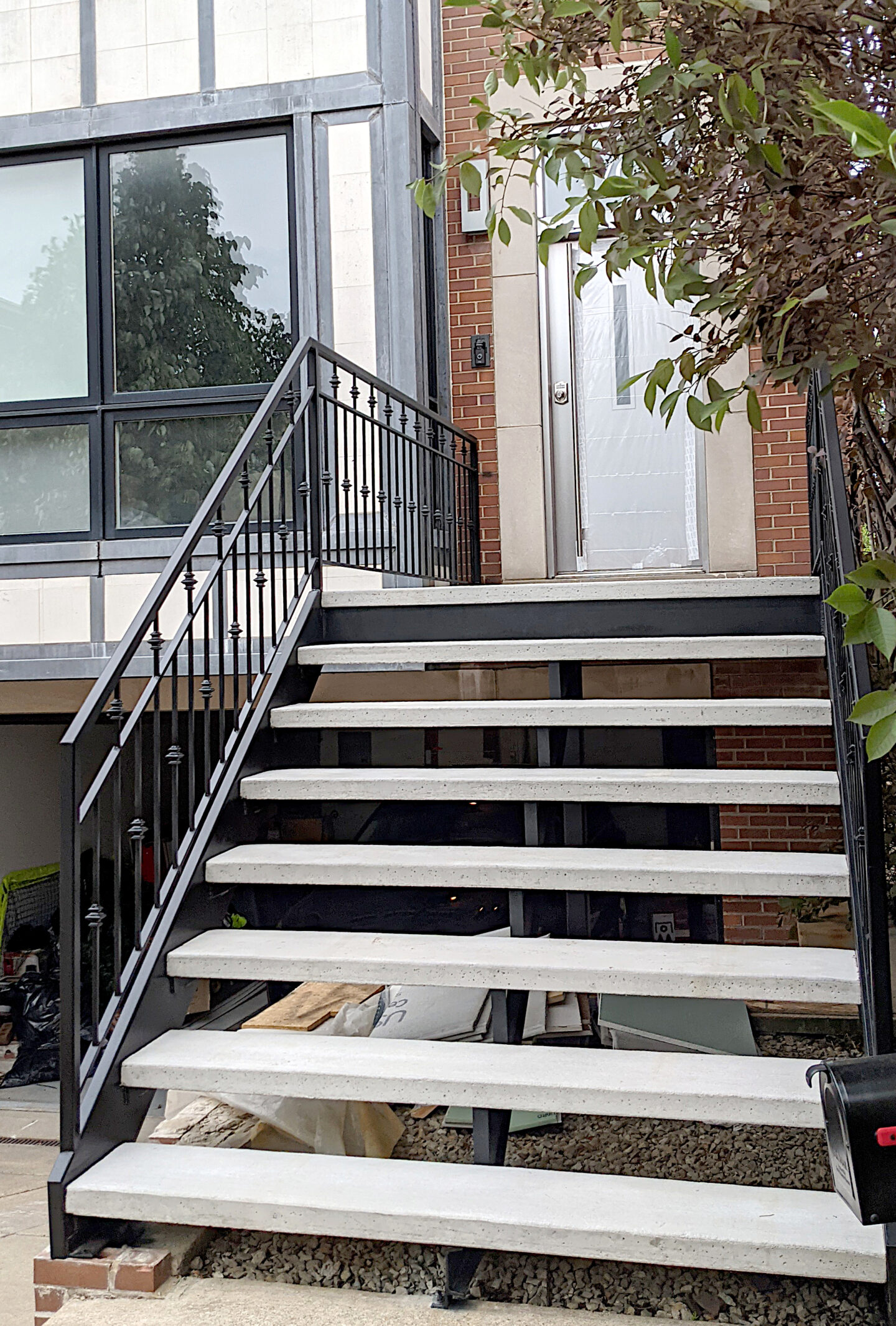
▶ Apartment and Multi-Family Buildings
- Primary entrances and rear exits
- Courtyard stairways
- Fire egress routes
- Balcony access stairs
Durability and consistent step geometry help reduce tenant complaints and maintenance calls.
▶ Office Buildings and Business Parks
- Main entry stairs
- Outdoor walkways
- Parking-structure access
- Emergency exit stairs
Precast systems keep stairways looking professional while handling constant daily use.
▶ Retail and Hospitality Properties
- Storefront entrances
- Shopping center stairways
- Restaurants and cafes
- Hotel service stairs
Slip-resistant surfaces and clean architectural finishes are especially important in public-facing areas.
▶ Schools and Universities
- Campus walkways
- Classroom building stairs
- Dormitory access
- Athletic facilities
These projects require extreme durability, predictable dimensions, and low-maintenance materials.
▶ Hospitals and Healthcare Facilities
- Exterior access stairs
- Service routes
- Staff-only stairways
- Emergency egress
Concrete stair treads are valued for their fire resistance, hygiene-friendly surfaces, and long-term reliability.
▶ Municipal and Government Buildings
- Libraries and courthouses
- Transit stations
- Civic centers
- Park facilities
Public-sector projects often prioritize long lifespan, reduced lifecycle costs, and safety compliance—areas where precast excels.
Exterior Commercial Use: Built for the Elements
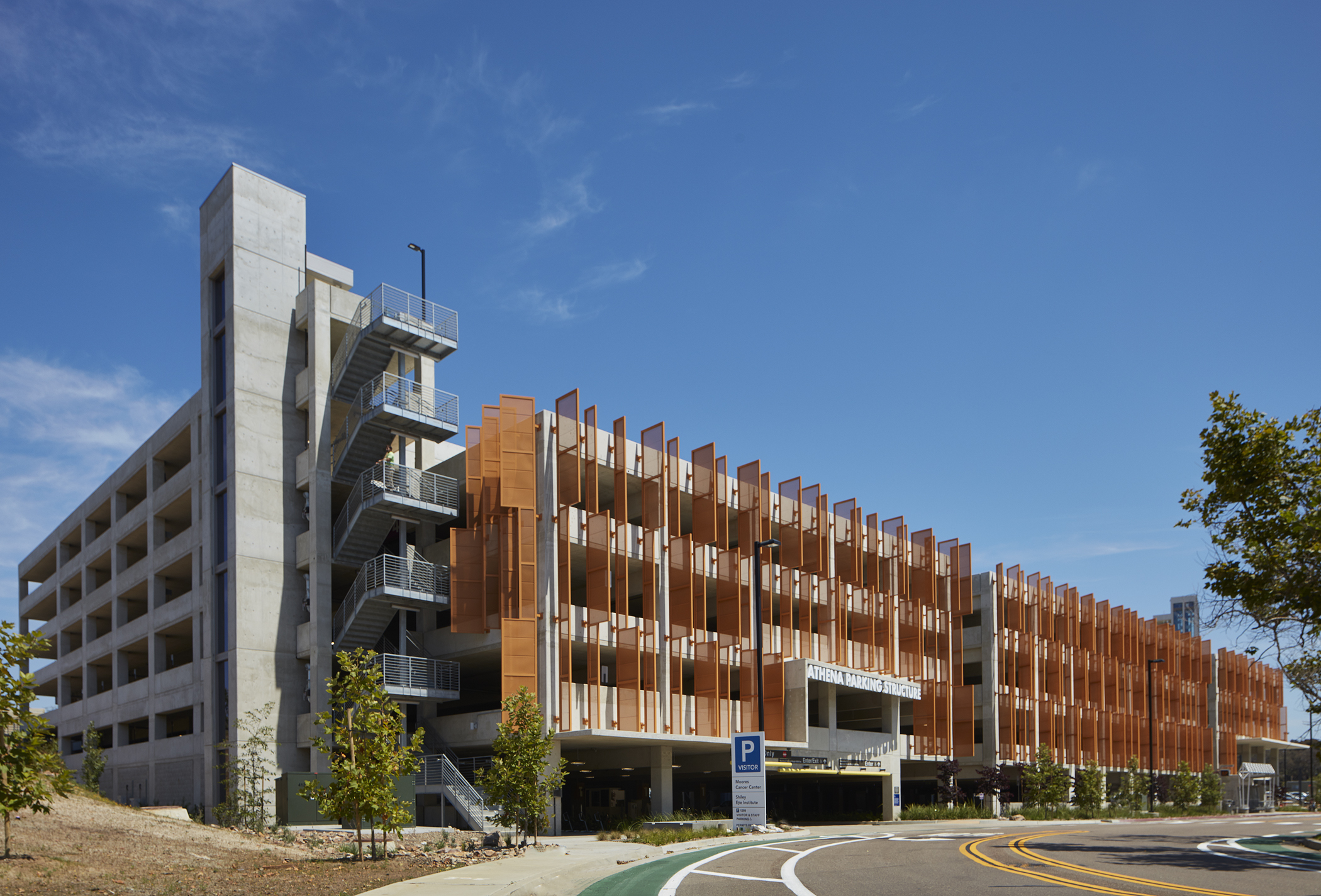
Most commercial precast stair treads are installed outdoors, where weather resistance is essential.

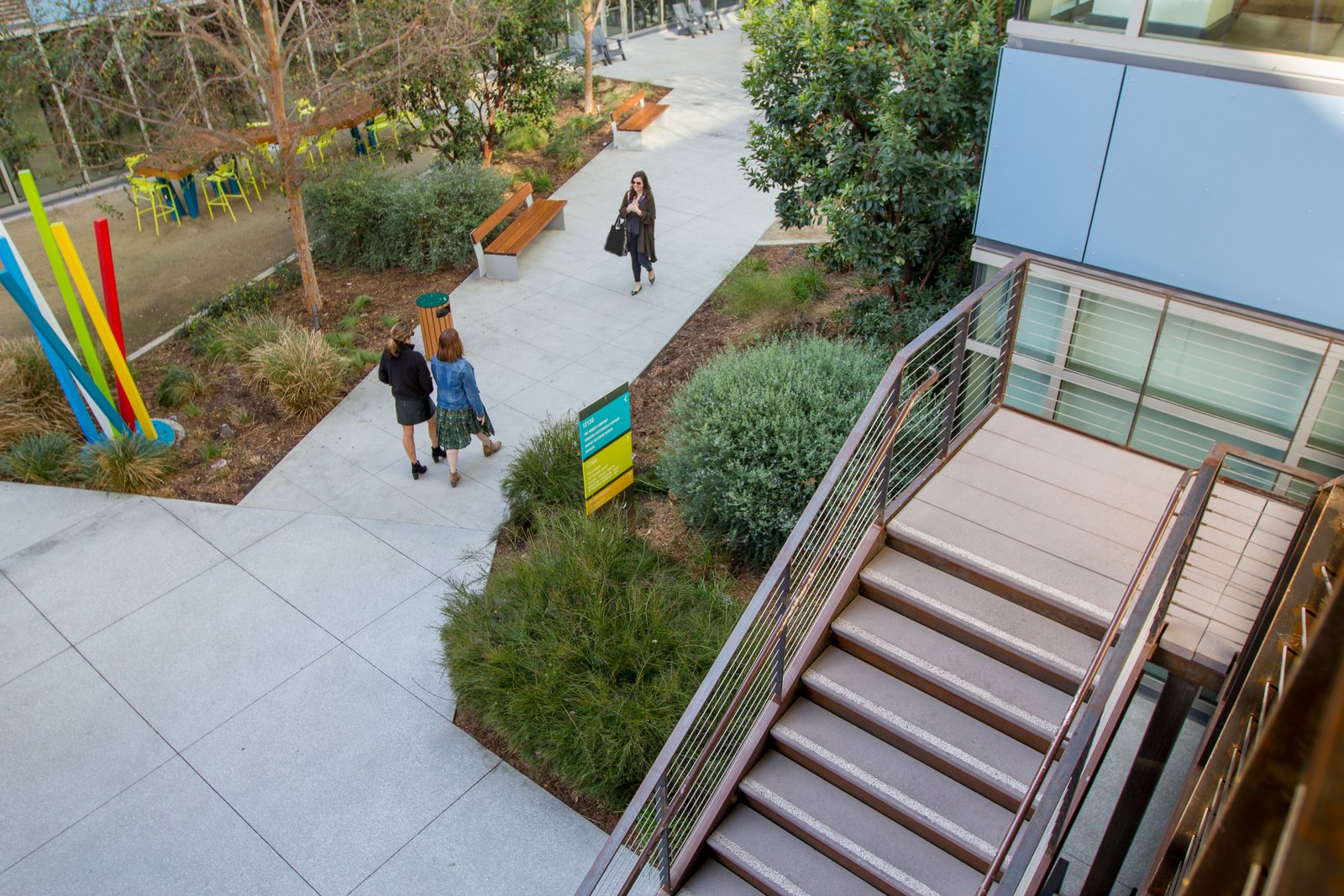
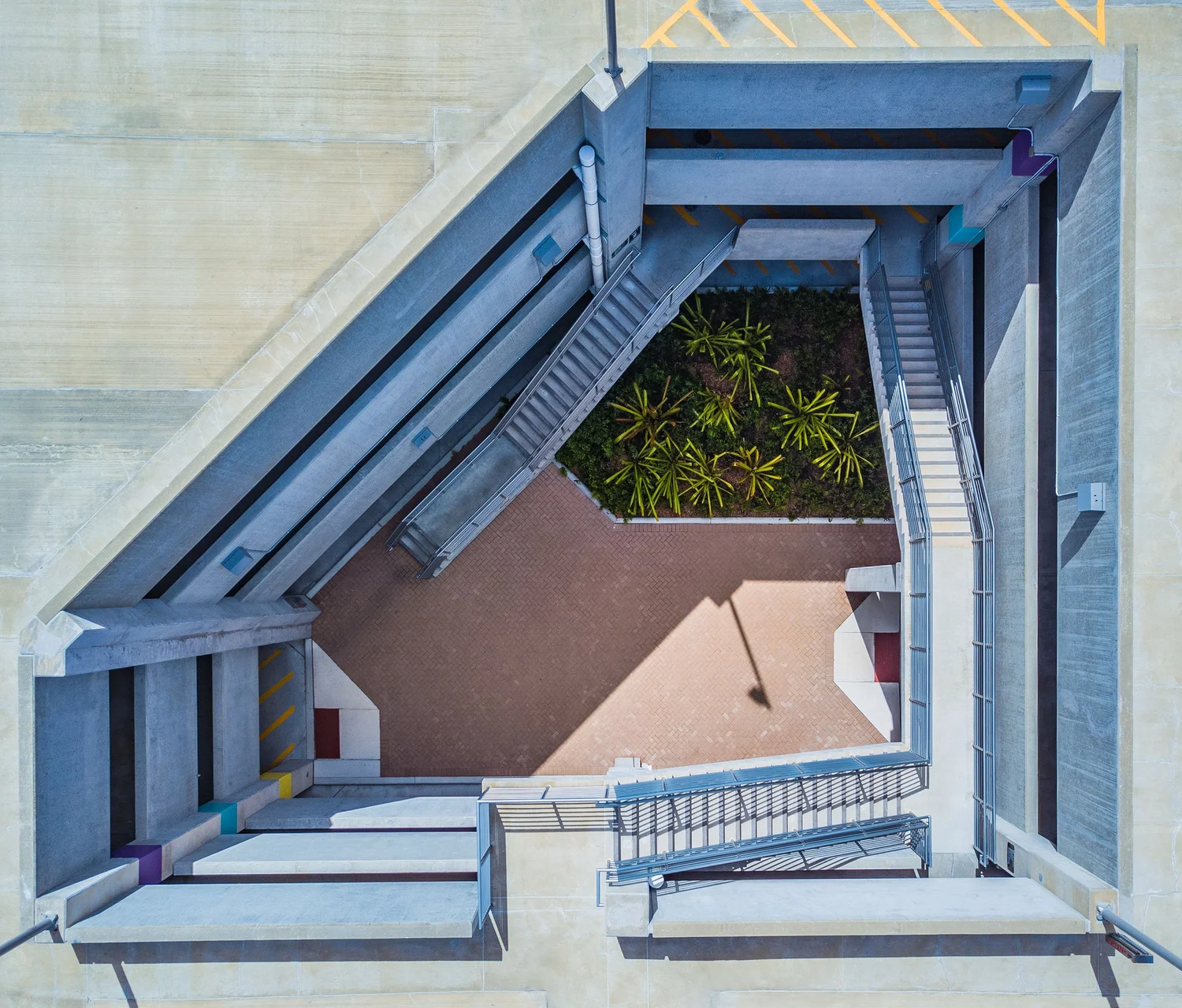
Precast concrete stair treads are commonly specified because they resist:
- Freeze–thaw cycles
- Heavy rain and standing water
- UV exposure
- De-icing salts
- Impact from carts and equipment
- Daily pedestrian traffic
Textured finishes, exposed aggregate, and traction nosings improve grip in wet or icy conditions—critical for liability reduction in public spaces.
Key Features Commercial Buyers Look For
When specifying precast stair treads for commercial buildings, decision-makers often prioritize:
✔ Slip-resistant surface textures
✔ Uniform tread depth and riser height
✔ Integrated or contrasting nosings
✔ Reinforced concrete construction
✔ Freeze–thaw durability
✔ Drainage-friendly profiles
✔ Fire resistance
✔ Custom sizing for retrofits
✔ Fast installation timelines
✔ Low long-term maintenance
These features allow stairs to remain safe and attractive for decades.
Code Compliance and Safety Considerations
Commercial stair systems must meet strict building and accessibility requirements, often including:
- Minimum tread depth
- Uniform riser heights
- Nosing geometry
- Slip resistance
- Visual edge contrast
- Handrail placement
- Load ratings
Factory-produced precast stair treads help meet these standards by delivering consistent dimensions and predictable performance, reducing the risk of inspection failures or costly rework.
Why Precast Works So Well for Renovations and Replacements
Many commercial projects involve upgrading older buildings without full structural demolition.
Precast stair treads are ideal for:
- Replacing deteriorated concrete steps
- Upgrading wood stairs outdoors
- Improving traction on slippery surfaces
- Refreshing public entrances
- Extending stair life without rebuilding frames
- Reducing downtime for tenants or customers
Because the structural stair frame can often remain in place, replacing only the treads saves money and speeds completion.
Long-Term Value for Commercial Property Owners
From a lifecycle-cost perspective, precast stair treads deliver:
- Fewer repairs
- Reduced resurfacing
- Lower liability exposure
- Longer replacement cycles
- Minimal maintenance
- Predictable budgeting
- Strong return on investment
For property managers overseeing multiple buildings, that reliability is invaluable.
Quick Checklist: Are Precast Stair Treads Right for Your Commercial Project?
Ask:
✔ Will the stairs see heavy daily traffic?
✔ Are they exposed to weather?
✔ Is slip resistance critical?
✔ Do you need consistent dimensions for inspections?
✔ Are long service life and low maintenance priorities?
✔ Is minimizing downtime important?
✔ Are custom sizes required for retrofits?
If yes, precast concrete stair treads are usually the strongest solution.
Final Thoughts: Commercial Projects Demand Precast Performance
Commercial stairways must work hard every day—safely, reliably, and for decades.
Precast concrete stair treads deliver the durability, consistency, weather resistance, and low-maintenance performance that commercial buildings demand. From apartment complexes and retail centers to hospitals and municipal facilities, they’ve become the go-to solution for high-traffic exterior and replacement stair systems.