




The concrete construction world doesn’t usually make headlines—but lately, stair systems and precast components have been quietly undergoing major upgrades.
From lower-carbon concrete mixes to advanced slip-resistant surfaces and faster prefabrication methods, today’s concrete stair technology is evolving quickly. For property owners, builders, and architects, these changes mean longer-lasting stairs, improved safety, faster installations, and better environmental performance.
Let’s take a look at what’s new—and why it matters if you’re planning an exterior stair project or replacement.
🌱 Sustainability Takes Center Stage
One of the most exciting developments in concrete manufacturing is the push toward reduced-carbon cement blends.
Modern precast producers are increasingly using:
- Supplementary cementitious materials (SCMs)
- Fly ash and slag replacements
- Optimized aggregate blends
- Carbon-reducing curing techniques
These improvements help lower environmental impact without sacrificing strength or durability—a major win for commercial developments, apartment complexes, and public buildings focused on sustainability goals.
For stair systems, this means buyers can now specify environmentally conscious precast stair treads that still perform for decades in harsh outdoor conditions.
🦺 Smarter Surface Textures for Better Traction
Safety innovation is another major focus.
Manufacturers are refining how stair tread surfaces are finished to improve grip in rain, snow, and ice—without making steps uncomfortable to walk on.
Today’s most popular upgrades include:
✔ Precision broom finishes
✔ Exposed aggregate patterns
✔ Embedded traction nosings
✔ Micro-grooved textures
✔ Visual edge-contrast options
These features significantly reduce slip risk while keeping stairways attractive and professional—especially important for apartment buildings, retail entrances, and office campuses.
🏗️ Faster Prefabrication and Installation Methods
Speed matters on construction sites—and the precast stair sector has been leaning hard into off-site fabrication efficiency.
Because stair treads are produced in controlled environments, today’s systems offer:
- Tighter dimensional tolerances
- Cleaner finishes
- Better quality control
- Reduced jobsite labor
- Shorter stair closures during replacements
For occupied buildings, this is huge. Property managers can upgrade deteriorated stairs with minimal disruption to tenants while dramatically improving safety.
🤖 Emerging Technology: 3D-Printed Concrete Components
Another fascinating trend gaining traction across the construction industry is robotic concrete printing for architectural and structural components.
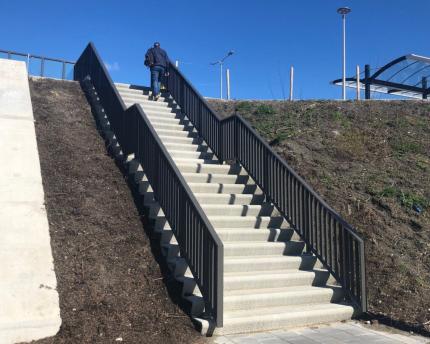


While still developing, this technology is being explored for:
- Custom stair geometries
- Decorative concrete textures
- Lightweight structural elements
- Rapid prototyping of precast molds
As these systems mature, they could eventually influence how specialty stair treads and architectural concrete elements are produced—opening the door to even greater design flexibility in future stair projects.
🧱 What These Innovations Mean for Stair Buyers
For anyone planning a new stair system or replacement project, these industry shifts translate into real-world benefits:
✔ Longer service life
✔ Improved slip resistance
✔ Lower maintenance costs
✔ Faster installation timelines
✔ Sustainability advantages
✔ Better curb appeal
✔ Reduced lifecycle cost
Precast concrete stair treads—already known for strength and consistency—are becoming even more attractive as manufacturing technology advances.
📈 Why the Concrete Stair Market Is Heating Up
Demand is rising for stair systems that combine:
- Durability
- Code-ready geometry
- Weather resistance
- Low upkeep
- Modern aesthetics
- Environmental responsibility
Apartment complexes, municipal facilities, schools, and commercial developers are driving this shift—choosing precast stair treads as a long-term investment instead of short-term surface fixes.
🔍 Looking Ahead: The Future of Precast Stair Treads
The direction is clear: the concrete stair industry is moving toward smarter materials, safer surfaces, greener production, and faster installs.
As these technologies continue to mature, stair systems will play an even bigger role in sustainable building design—especially in outdoor environments where durability and safety matter most.
For property owners evaluating their next project, it’s an exciting time to invest in high-performance precast concrete stair treads built for the future.
If you’d like, next strong “news-style” or industry-authority posts could include:
• How Low-Carbon Concrete Is Changing Exterior Construction
• The Future of Precast in Commercial Buildings
• Why Safety Engineering Is Driving Stair Design
• How Modern Concrete Mixes Outperform Older Systems
Tell me which angle you want to tackle next—and we’ll keep building your site into a true industry authority hub.