



How Do Stair Treads Save Me Money? A Long-Term Cost and Performance Guide
When people think about stair treads, they often focus on safety and appearance—but cost savings are just as important. The right stair treads can dramatically reduce maintenance expenses, extend the life of your staircase, shorten installation time, and prevent costly accidents.
So how exactly do stair treads save you money?
Whether you’re upgrading a residential entryway or managing a commercial property, this guide explains where the savings come from, which materials deliver the best return, and why precast concrete stair treads are often the most cost-effective choice over time.
The Hidden Costs of Poor Stair Systems
Cheap or poorly designed stair surfaces can create long-term financial drains through:
- Frequent repairs
- Premature replacement
- Slip-and-fall liability
- Water damage to structures
- Labor-intensive maintenance
- Business downtime during repairs
- Code-compliance upgrades
High-quality stair treads are engineered to prevent these problems before they start.
1) Stair Treads Reduce Repair and Replacement Costs
Durable stair treads—especially exterior-rated systems—stand up to weather, foot traffic, and impact far longer than unfinished or temporary stair surfaces.
Why That Matters Financially:
✔ Fewer patch jobs
✔ Less resurfacing
✔ Reduced edge chipping
✔ Longer service life
✔ Lower material turnover
Precast concrete stair treads, in particular, are known for decades-long performance in outdoor and high-traffic environments.
2) Faster Installation Means Lower Labor Costs
Installation time is one of the biggest drivers of project cost.
Pre-manufactured stair treads arrive ready to set, eliminating:
- Form building
- On-site concrete pouring
- Extended curing time
- Multiple trade visits
That means:
✔ Shorter schedules
✔ Fewer crew hours
✔ Reduced disruption to tenants or businesses
✔ Faster reopening of stairways
Over the life of a building, these savings add up quickly.
3) Slip Resistance Can Reduce Liability
Accidents are expensive.
Medical claims, insurance deductibles, legal costs, and lost productivity from falls can dwarf the cost of upgrading stair surfaces.


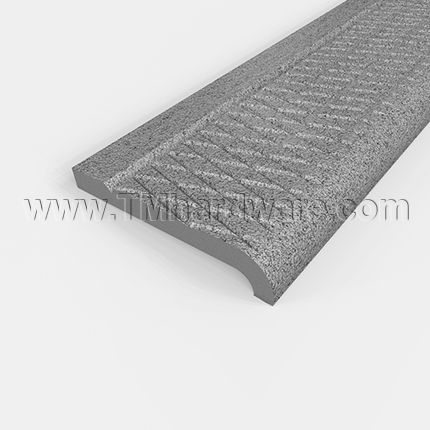

Stair treads that include:
- Textured finishes
- Exposed aggregate
- Traction strips
- Abrasive nosings
- Visual edge contrast
…help reduce slipping—especially in wet or icy conditions—protecting both users and property owners.
4) Weather Resistance Prevents Costly Damage
Exterior stairs face harsh exposure year-round.


Weather-resistant stair treads prevent:
- Freeze-thaw cracking
- Surface scaling from salts
- Structural deterioration
- Moisture infiltration
- Premature rebuilds
Precast concrete stair treads are specifically engineered for outdoor durability, keeping long-term maintenance budgets predictable.
5) Consistent Dimensions Avoid Costly Corrections
Uneven riser heights or mismatched tread depths often trigger:
- Safety complaints
- Failed inspections
- Required rebuilds
- Accessibility upgrades
Factory-produced stair treads maintain tight tolerances, reducing rework and helping projects pass inspection the first time.
That consistency protects your budget—and your schedule.
6) Low Maintenance Means Ongoing Savings
Some stair materials require regular refinishing, sealing, repainting, or replacement.
High-performance stair treads—especially concrete—typically need:
✔ Occasional cleaning
✔ Periodic resealing
✔ Replacement of traction strips
✔ Routine inspection
Compared to sanding wood, replacing carpet, or repairing corroded metal, that’s a major cost reduction over decades of use.
7) Ideal for Replacement Projects
When stairs wear out, rebuilding the entire structure is expensive.
Precast stair treads often allow you to:
- Keep the existing stair frame
- Replace only the walking surfaces
- Upgrade safety features
- Restore appearance quickly
- Avoid major demolition
That targeted approach saves thousands compared to full reconstruction.
Precast Concrete vs. Other Materials: Cost Over Time
Wood
✔ Lower upfront cost
✖ Rot outdoors
✖ Scratches
✖ Frequent refinishing
✖ Short lifespan
Carpet or Rubber Covers
✔ Traction
✖ Wear quickly
✖ Replacement cycles
✖ Traps dirt and moisture
Metal
✔ Strong
✔ Good drainage
✖ Corrosion risk
✖ Cold in winter
✖ Industrial look
Precast Concrete Stair Treads
✔ Long lifespan
✔ Minimal upkeep
✔ Weather resistant
✔ Slip-resistant finishes available
✔ Reduced replacement frequency
✔ Excellent ROI
For high-traffic or exterior stairs, concrete consistently delivers the strongest long-term value.
Who Benefits Most From Cost-Saving Stair Treads?
Stair tread upgrades make the most financial sense for:
- Apartment complexes
- Office buildings
- Retail entrances
- Schools
- Hospitals
- Municipal buildings
- Multi-family housing
- Rental properties
- High-use residential entries
Anywhere safety, durability, and operating budgets matter, premium stair treads pay for themselves over time.
Quick Checklist: How Stair Treads Save You Money
✔ Reduce repairs
✔ Extend lifespan
✔ Speed installation
✔ Lower labor costs
✔ Minimize liability
✔ Resist weather damage
✔ Reduce maintenance
✔ Avoid inspection failures
✔ Delay full stair replacement
Final Thoughts: Stair Treads Are a Smart Financial Investment
Stair treads aren’t just a safety upgrade—they’re a long-term financial strategy.
By preventing damage, minimizing maintenance, shortening installation schedules, and reducing accident risk, high-quality stair treads—especially precast concrete systems—deliver measurable cost savings year after year.
For property owners looking to control budgets while improving performance, investing in durable stair treads is one of the smartest construction decisions you can make.