



Can Stair Treads Resist Harsh Weather Conditions? A Complete Performance Guide
Exterior stairs take a beating. Rain, snow, ice, blazing sun, temperature swings, and de-icing chemicals all attack stair surfaces year after year. If stair treads aren’t designed for these conditions, they crack, become slippery, deteriorate quickly, and create safety hazards.
So—can stair treads resist harsh weather conditions?
Yes—when the right materials, finishes, and installation methods are used, stair treads can perform reliably for decades in extreme climates.
This guide explains how weather affects stairs, which stair tread materials hold up best, what features improve outdoor durability, and how to choose long-lasting solutions for residential and commercial projects.
What Counts as “Harsh Weather”?
Outdoor stair systems may be exposed to:
- Heavy rainfall and standing water
- Snow and ice
- Freeze–thaw cycles
- Intense sunlight and UV radiation
- Coastal salt air
- De-icing salts and chemicals
- Wind-driven debris
- Large temperature swings
Each of these stresses stair treads differently—so weather resistance starts with smart material selection and surface design.
Why Weather Resistance Matters for Stair Treads
Weather-damaged stairs are more than cosmetic problems. They can lead to:
- Slippery walking surfaces
- Surface spalling or scaling
- Cracked edges and nosings
- Structural weakening
- Costly repairs
- Increased liability
High-performance stair treads are engineered to prevent these issues by combining durability, traction, drainage, and dimensional stability.
Best Stair Tread Materials for Harsh Climates
Different materials respond very differently to outdoor exposure.



Precast Concrete Stair Treads
One of the strongest performers for exterior use.
Why they excel outdoors:
- Dense, controlled manufacturing
- Excellent freeze–thaw resistance
- Fire resistant
- Handles heavy traffic
- Accepts textured finishes for traction
- Long service life
When properly sealed and installed, precast concrete treads withstand decades of severe exposure with minimal maintenance.
Cast-in-Place Concrete
Also common outdoors, but performance depends heavily on workmanship.
Pros:
- Strong structural base
- Custom shapes
Considerations:
- Surface quality can vary
- Cracking more likely if poorly cured
- May require additional coatings for slip resistance
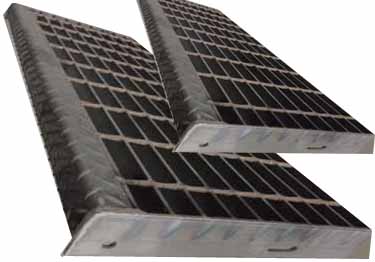
Metal Stair Treads
Often used in industrial or utility stairways.
Pros:
- Excellent drainage
- Slip-resistant grating options
- Strong in wet environments
Considerations:
- Can corrode without proper coatings
- Cold in winter climates
- Industrial appearance
Natural Stone Stair Treads
Used in architectural or upscale settings.
Pros:
- Durable when properly selected
- Attractive natural look
Considerations:
- Some stones absorb moisture
- May become slippery
- Requires sealing and maintenance
- Higher cost
Surface Finish: The Secret Weapon Against Weather
Material alone isn’t enough—the surface finish is just as important.


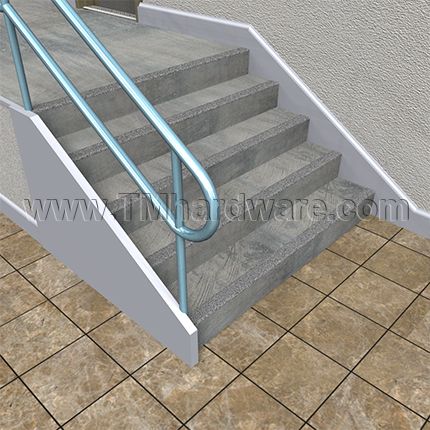
Weather-ready stair treads often include:
- Broom finishes for traction
- Exposed aggregate surfaces
- Grooved textures
- Embedded abrasive strips
- Slip-resistant coatings
- Contrasting nosings for visibility
These features dramatically reduce slipping in rain or ice and maintain grip as surfaces age.
How Stair Treads Handle Freeze–Thaw Cycles
In cold climates, moisture seeps into tiny pores in materials. When that water freezes, it expands—causing cracking, scaling, or surface pop-outs.
High-quality weather-resistant stair treads minimize this risk through:
- Dense material mixes
- Low water absorption
- Air-entrained concrete
- Proper curing
- Protective sealers
These details are critical for long-term exterior performance.
UV Exposure and Heat Resistance
Sunlight can:
- Fade finishes
- Degrade coatings
- Dry out sealers
- Cause surface temperature extremes
Concrete and stone handle UV exposure far better than wood or many composites. UV-resistant sealers and light-colored finishes can further reduce heat absorption.
Drainage and Installation Matter
Even the best stair tread material can fail if water pools on the surface.
Weather-resistant installations include:
✔ Slight slopes for drainage
✔ Open edges or drip grooves
✔ Proper flashing at landings
✔ Air gaps where required
✔ Secure anchoring to prevent movement
✔ Frost-protected foundations
Poor drainage is one of the fastest ways to shorten the life of exterior stairs.
Maintenance for Weather-Exposed Stair Treads
Durable stair treads still benefit from routine care:
- Sweep debris regularly
- Rinse off salt buildup
- Reseal surfaces as recommended
- Replace worn traction strips
- Inspect for cracks or edge damage
- Clear snow with non-metal shovels
Consistent maintenance keeps stairs safer and extends their lifespan.
Residential vs. Commercial Outdoor Use
Residential Exterior Stairs
Focus on:
- Slip resistance
- Freeze-thaw durability
- Appearance
- Low maintenance
Concrete treads with textured finishes are popular for porches, patios, and garden stairs.
Commercial Exterior Stairs
Often require:
- Higher slip-resistance standards
- Uniform dimensions
- Visual contrast markings
- Heavy-load capacity
- Long service life
Precast systems are frequently chosen for public buildings and high-traffic entrances because of their reliability and consistency.
Quick Checklist: Can Your Stair Treads Handle Harsh Weather?
Ask yourself:
✔ Are they made from weather-rated materials?
✔ Do they have textured, slip-resistant surfaces?
✔ Are they sealed properly?
✔ Is drainage built into the design?
✔ Are edges reinforced or protected?
✔ Are freeze–thaw conditions accounted for?
✔ Are traction features maintained?
If you answered “no” to any of these, your stairs may be vulnerable to premature wear—or safety issues.
Final Thoughts: Weather-Resistant Stair Treads Are an Investment
Yes—stair treads can absolutely resist harsh weather conditions when engineered for exterior use. Materials like precast concrete, paired with textured finishes and smart installation, deliver decades of safe, dependable performance in rain, snow, heat, and freezing temperatures.
For property owners and builders, choosing weather-resistant stair treads reduces maintenance costs, improves safety, and protects long-term investments—making them one of the smartest upgrades for any outdoor stair system.