



Stair Tread Components and Parts 101: A Complete Guide to Stair Anatomy
Understanding stair tread components is essential whether you’re designing a new staircase, replacing worn steps, or specifying materials for a commercial project. Every stair system is made up of several interconnected parts—each playing a critical role in safety, structural performance, building-code compliance, and visual appeal.
This in-depth guide explains all the main stair tread components and parts, how they work together, and what to consider when selecting or upgrading them.
What Makes Up a Stair Step?
A single stair “step” is actually a combination of multiple elements working together:

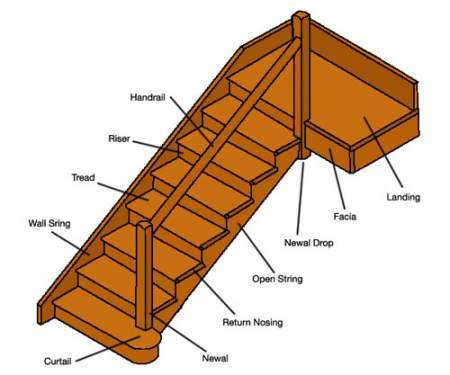


The most important components include:
- Tread — the horizontal walking surface
- Riser — the vertical face between steps
- Nosing — the front edge of the tread
- Stringers — the structural supports beneath the steps
- Skirt boards — trim boards along interior walls
- Balusters and handrails — safety rail system
- Landing — flat platforms between stair runs
Let’s break each one down.
The Stair Tread: The Star of the System
The stair tread is the surface people actually step on. It must:
- Support repeated loads
- Resist wear and weather
- Provide traction
- Maintain consistent dimensions
- Anchor securely to the structure
Treads come in many materials—concrete, wood, metal, stone, and composites—and can be installed in residential, commercial, or industrial environments.
The Riser: Vertical Support and Visual Rhythm
The riser is the upright section between two treads.
Riser Types:
- Closed risers: fully enclosed (traditional look, adds rigidity)
- Open risers: space between steps (modern appearance, may be restricted by code)
- Solid concrete risers: common in exterior or commercial stairs
Uniform riser height is crucial for safety—irregular spacing is a leading cause of trips.
The Nosing: Edge Protection and Traction
The nosing is the forward edge of the tread that slightly overhangs the riser below.
Why nosing matters:
- Improves foot placement
- Adds walking depth
- Protects the tread edge
- Can incorporate traction strips
- Enhances visual definition
Exterior stairs often use textured or contrasting nosings to improve slip resistance.
Stringers: The Structural Backbone
Stringers run beneath or along the sides of the stairs and carry the load of the entire system.
Common stringer types:
- Cut stringers: notched to hold each tread
- Closed stringers: smooth outer profile
- Steel stringers: used in commercial and precast systems
- Concrete stringers: integrated into exterior staircases
Precast concrete stair treads are frequently installed on steel or masonry stringers for speed and consistency.
Landings: Where Stair Runs Meet
A landing is a flat platform at the top, bottom, or between stair runs.
Landings:
- Provide resting points
- Allow direction changes
- Improve safety
- Are often required by building codes
They’re commonly constructed from concrete in commercial or exterior environments.
Skirt Boards: Interior Finish Detail
In interior staircases, skirt boards run along the wall side beneath the treads and risers.
Their purpose is mostly aesthetic:
- Cover structural gaps
- Provide a clean finished look
- Protect walls
- Add architectural detail
Handrails, Balusters, and Guardrails
While not part of the tread itself, railing systems are essential for stair safety.
- Handrail: what users grip
- Balusters (spindles): vertical supports
- Guardrail: overall protective barrier
Exterior stairs often require corrosion-resistant materials like galvanized steel or aluminum.
How Stair Components Work Together
All stair parts must be coordinated:
- Treads attach securely to stringers
- Risers align precisely between steps
- Nosings project consistently
- Landings meet elevation requirements
- Railings meet height and spacing rules
In commercial projects, dimensional accuracy is especially important—small inconsistencies multiply over large stair runs.
Interior vs. Exterior Stair Components
Outdoor stair systems require heavier-duty components.

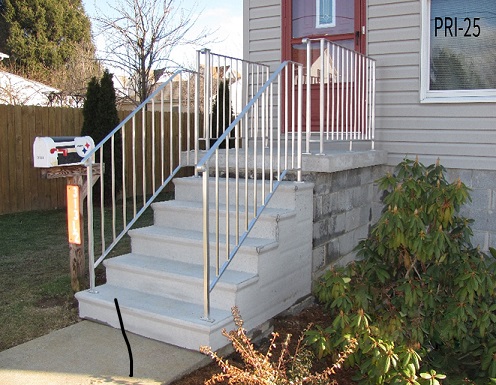


Exterior Stair Systems Must Handle:
- Moisture and freeze–thaw cycles
- UV exposure
- Heavy foot traffic
- De-icing chemicals
- Temperature swings
That’s why precast concrete treads, steel stringers, and textured nosings are commonly used outdoors.
Interior Systems Emphasize:
- Finish quality
- Noise control
- Comfort
- Architectural detailing
Common Stair Tread Accessories
Many stair systems include add-ons for performance or compliance:
- Abrasive traction strips
- Cast-in-place anti-slip nosings
- Edge contrast markers
- Drainage channels (outdoor)
- Protective sealers
- Retrofit covers
These accessories extend lifespan and improve safety—especially in wet or high-traffic environments.
Why Knowing Stair Parts Matters
Understanding stair anatomy helps you:
✔ Specify correct materials
✔ Communicate with contractors
✔ Plan renovations accurately
✔ Avoid safety hazards
✔ Meet building codes
✔ Budget realistically
✔ Choose long-lasting systems
Whether you’re a homeowner upgrading an entryway or a contractor managing a commercial build, knowing the parts prevents costly mistakes.
Final Thoughts: Mastering Stair Tread Components
A staircase is much more than a stack of steps—it’s a coordinated system of structural and finish components designed to perform safely for decades. From treads and risers to stringers and landings, every part matters.
When planned correctly, high-quality stair components—especially durable precast concrete systems for exterior or commercial use—deliver superior longevity, reduced maintenance, and dependable performance.