



What Stair Treads Are Right for Me? A Practical Guide to Choosing the Best Option
Choosing the right stair treads can feel overwhelming—especially when balancing safety, durability, appearance, budget, and building-code requirements. The best stair treads for your project depend on where they’ll be used, how much traffic they’ll see, environmental exposure, and your long-term maintenance goals.
This guide walks you through everything you need to know to confidently answer the question: What stair treads are right for me?
Start With Location: Interior or Exterior?
The first—and most important—decision is where the stairs will live.


Interior Stair Treads
Interior stairs emphasize comfort and aesthetics.
Best options often include:
- Wood
- Engineered wood
- Polished concrete
- Stone
Key considerations:
- Noise underfoot
- Finish quality
- Style compatibility
- Ease of refinishing
Exterior Stair Treads
Outdoor stairs must endure harsh weather and constant use.
Top performers include:
- Precast concrete
- Textured stone
- Metal grating
- Slip-resistant composite materials
Key considerations:
- Freeze–thaw durability
- Drainage
- UV resistance
- Traction in wet or icy conditions
How Much Traffic Will the Stairs See?
Traffic level directly impacts which stair treads make sense.
- Low traffic (single-family homes): wood or engineered options work well.
- Moderate traffic (small offices, apartments): concrete, hardwood, or stone.
- Heavy traffic (commercial buildings, public facilities, industrial spaces): precast concrete or metal systems usually perform best.
If the stairs are part of a main entrance, emergency exit, or public walkway, prioritize durability and slip resistance over decorative finishes.
Compare Stair Tread Materials
Different materials solve different problems. Understanding tradeoffs helps narrow your choice.

Concrete Stair Treads
A top choice for exterior and commercial stairs.
Why people choose concrete:
- Exceptional strength
- Weather resistance
- Long lifespan
- Fire resistance
- Minimal maintenance
Precast versions offer uniform sizing and faster installation, making them ideal for renovations or large projects.
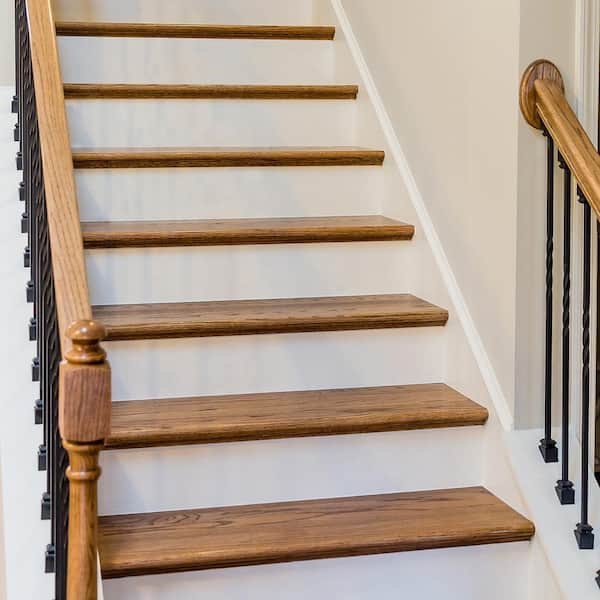
Wood Stair Treads
Popular in homes for their warmth and flexibility.
Pros:
- Classic appearance
- Refinishable
- Many species and stain options
Cons:
- Requires maintenance
- Not ideal outdoors
- Can become slippery without proper finishes
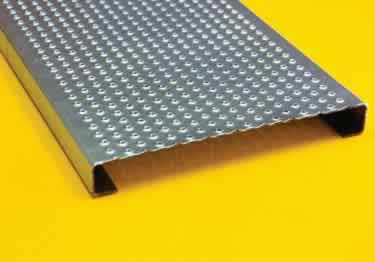
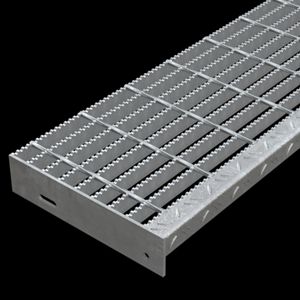
Metal Stair Treads
Common in industrial or utility settings.
Pros:
- Extremely strong
- Slip-resistant patterns available
- Performs well in wet conditions
Cons:
- Industrial look
- Can be noisy indoors
Stone Stair Treads
Chosen for upscale residential or architectural applications.
Pros:
- Premium appearance
- Long service life
Cons:
- Higher cost
- Professional installation recommended
Think About Safety First
Safety should always be the top priority.
Look for stair treads that offer:
- Slip-resistant textures or coatings
- Consistent dimensions
- Secure attachment methods
- Proper nosing profiles
- Visual contrast at edges (especially for public buildings)
Exterior stairs benefit from broom-finished concrete, exposed aggregate, or embedded traction strips.
Maintenance: How Much Upkeep Do You Want?
Some stair treads demand more long-term care than others.
- Low maintenance: precast concrete, metal
- Moderate maintenance: stone
- Higher maintenance: wood (sealing, refinishing)
If you want a solution that lasts decades with minimal effort, concrete-based systems are often the most practical choice.
Budget Considerations
Stair tread pricing depends on:
- Material
- Custom sizing
- Finish level
- Installation method
- Structural supports
While wood may appear less expensive upfront, durable exterior-grade concrete or metal often proves more cost-effective over time due to reduced repair and replacement needs.
Custom vs. Standard Stair Treads
You may need custom stair treads if:
- Your stair width is unusual
- You’re retrofitting an existing structure
- Accessibility requirements apply
- Architectural finishes are required
Standard sizes work well for many residential builds, while commercial projects often benefit from custom-fabricated precast units.
Quick Decision Guide
Use this checklist to narrow your choice:
✔ Are the stairs indoors or outdoors?
✔ How many people will use them daily?
✔ Do you need slip resistance?
✔ Is appearance or performance the top priority—or both?
✔ What’s your maintenance tolerance?
✔ Are there budget limits?
✔ Will they overlay existing stairs or be part of new construction?
If durability, safety, and long-term value are high on your list, precast concrete stair treads frequently emerge as the strongest all-around option—especially for exterior or commercial projects.
Final Thoughts: Choosing the Right Stair Treads
There’s no single “best” stair tread for every situation. The right choice depends on location, usage, environment, budget, and aesthetic goals.
By understanding material options and performance factors, you can confidently select stair treads that improve safety, reduce maintenance, and enhance the look of your building for years to come.