



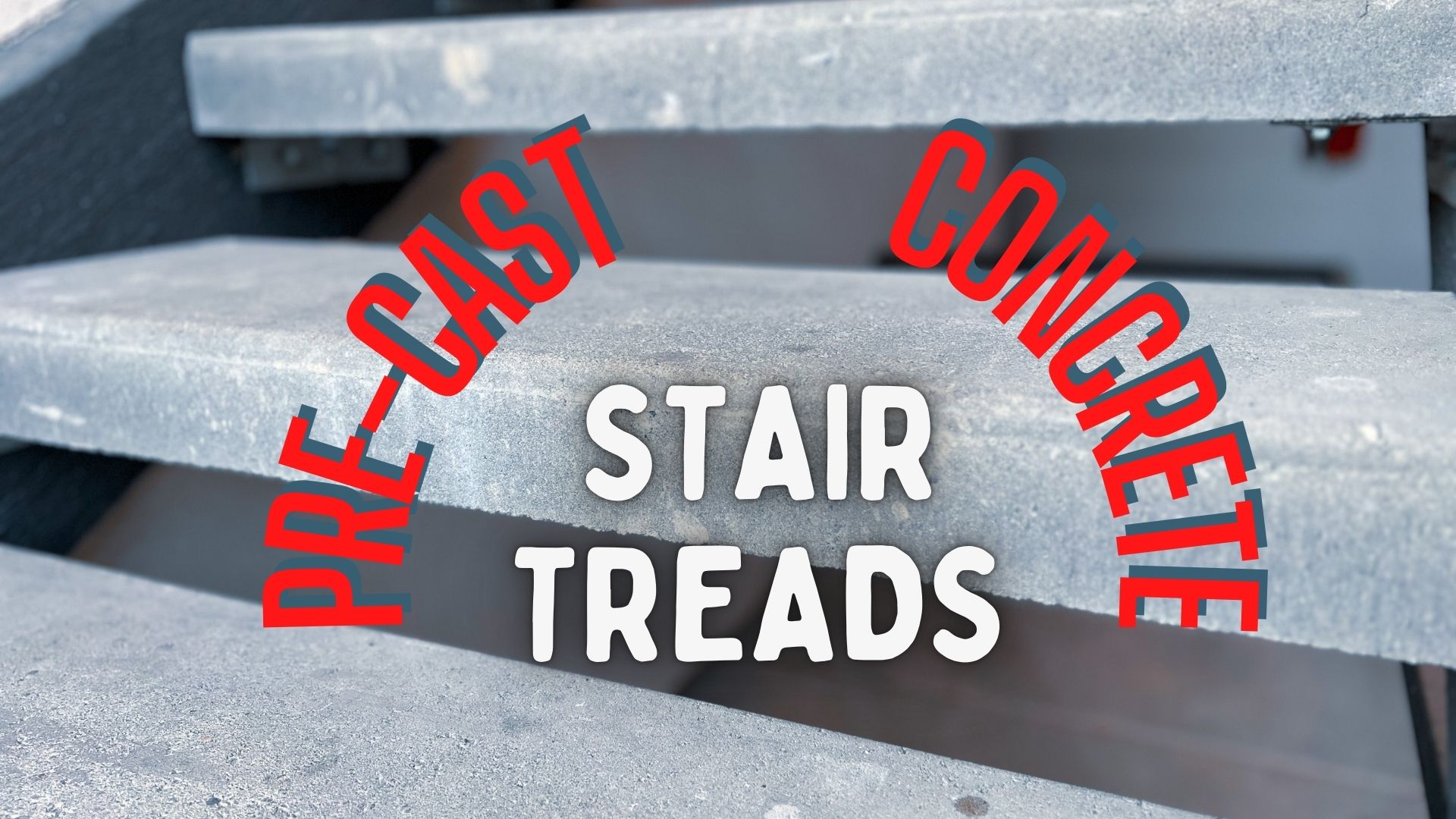

Across the U.S., builders, landscapers, and homeowners are rethinking how outdoor stairs are designed and installed—and precast concrete stair treads are quickly becoming the material of choice.
Driven by rising labor costs, durability concerns with wood, and demand for faster project timelines, precast systems are replacing poured-in-place steps and traditional timber staircases in everything from backyard remodels to commercial walkways.
Industry professionals say the shift isn’t a passing trend—it’s a structural upgrade.


Why Precast Concrete Is Gaining Ground
For decades, exterior stairs were commonly built from pressure-treated lumber or poured concrete forms constructed onsite. Both methods work—but both come with drawbacks.
Wood deteriorates, warps, and requires frequent sealing or replacement. Poured-in-place concrete depends heavily on weather conditions, formwork accuracy, curing time, and skilled labor.
Precast treads solve many of these challenges.
Manufactured in controlled environments, precast concrete stair treads are engineered for:
• consistent strength and dimensions
• clean, uniform finishes
• faster installation
• long-term durability
• resistance to rot, insects, and moisture
• freeze-thaw stability
Contractors report that using precast components often cuts stair-building time dramatically—sometimes turning multi-day projects into single-day installs.
Rising Demand in Residential Projects
Homeowners tackling outdoor upgrades are a major driver behind the surge.
Landscape designers increasingly specify concrete treads for:
• garden pathways
• hillside staircases
• front-entry renovations
• retaining-wall stair systems
• patio transitions
• poolside steps
With curb appeal and longevity high on renovation wish lists, concrete’s clean lines and permanence make it attractive compared to wood.
Many homeowners are also prioritizing low-maintenance materials, especially in climates with heavy rain, snow, or temperature swings.
Contractors Favor Speed and Predictability
From a professional standpoint, predictability matters.
Precast treads arrive job-site ready to install—no forming, no pouring, and no waiting days for curing before foot traffic is allowed.
That efficiency helps contractors:
✔️ schedule crews more accurately
✔️ reduce weather-related delays
✔️ minimize jobsite mess
✔️ deliver consistent results
✔️ complete projects faster
In competitive construction markets, those advantages can directly impact profitability.
Built for Harsh Outdoor Conditions
One of the strongest selling points of precast concrete is resilience.
Quality treads are designed to withstand:
• heavy foot traffic
• rain and standing moisture
• freezing winters
• summer heat
• soil movement
• UV exposure
Properly installed concrete stairs often last decades with minimal upkeep—far outpacing most wood systems.
This durability makes them especially appealing for commercial properties, municipal walkways, apartment complexes, and rental homes where longevity matters more than aesthetics alone.
Design Is Playing a Bigger Role
Modern precast isn’t just utilitarian.
Today’s stair treads are available in multiple finishes, textures, and profiles that complement contemporary landscaping styles.
Designers are pairing concrete stairs with:
• stone retaining walls
• steel railings
• native plantings
• modern fencing
• tiered patios
• architectural lighting
The result is outdoor staircases that feel intentional and architectural rather than purely functional.
Sustainability Considerations
Sustainability is also shaping material choices in construction.
Concrete’s long service life reduces the need for frequent replacement, which in turn lowers material consumption over time. Some manufacturers also incorporate optimized mix designs and local sourcing to minimize transportation impacts.
As homeowners look for upgrades that balance performance with environmental responsibility, precast systems continue to gain attention.
What This Means for Buyers
For anyone planning an exterior stair project in 2026, the message from industry professionals is clear:
Precast concrete stair treads offer a compelling combination of:
• strength
• longevity
• speed of installation
• visual consistency
• low maintenance
• year-round reliability
Whether the project involves a backyard hillside or a commercial walkway, many builders now see precast as the default starting point rather than an upgrade.
Stairsteps.com Expands Focus on Ready-to-Install Solutions
As demand for precast stair components grows, Stairsteps.com continues to focus on supplying contractors and homeowners with high-quality concrete treads engineered for outdoor use.
The company reports increased interest from:
• residential remodelers
• landscape architects
• general contractors
• property managers
• municipal buyers
With streamlined ordering and job-site delivery, precast systems are becoming easier than ever to integrate into new builds and renovations alike.
Looking Ahead
Industry analysts expect demand for precast concrete products to continue rising through the next decade as construction professionals look for faster, more reliable ways to build outdoors.
For stairs in particular, the combination of strength, speed, and aesthetics positions precast treads as a long-term standard—not just a niche solution.
Homeowners and contractors planning 2026 projects may find that concrete steps are no longer just practical—they’re the smart, future-proof choice.