




Let in More Natural Light and Embrace Biophilic Design: A Healthier, More Inviting Space
Modern architecture and renovation trends increasingly focus on one powerful idea: bringing nature indoors. By increasing natural light and incorporating biophilic design elements, homeowners and building managers can create spaces that feel brighter, calmer, healthier—and more valuable.
Whether you’re renovating a home, upgrading an apartment building, or refreshing a commercial interior, combining daylight strategies with biophilic principles can dramatically improve how a space looks, functions, and feels.
This guide explains what biophilic design is, why natural light matters, how the two work together, and practical ways to transform interiors into light-filled, nature-connected environments.
What Is Biophilic Design?
Biophilic design is an approach to architecture and interiors that intentionally connects people with nature. It uses elements such as:
- Natural light
- Indoor plants
- Organic materials (wood, stone, concrete)
- Views to outdoor landscapes
- Natural airflow
- Water features
- Earth-toned color palettes
- Curved or irregular shapes inspired by nature
The goal is to create environments that support well-being, focus, comfort, and emotional balance—whether in homes, offices, schools, or apartment complexes.
Why Natural Light Matters
Sunlight does far more than brighten a room.
Research consistently shows that daylight:
✔ Improves mood
✔ Supports healthy sleep cycles
✔ Reduces eye strain
✔ Boosts productivity
✔ Makes spaces feel larger
✔ Lowers reliance on artificial lighting
✔ Increases property appeal
Dark or poorly lit interiors can feel cramped and uninviting—while bright, sunlit spaces create warmth and openness.
How Natural Light and Biophilic Design Work Together
Natural light is one of the strongest biophilic elements available. When daylight floods a space and interacts with natural textures—like wood floors, stone accents, or architectural concrete—it creates an atmosphere that feels grounded and restorative.
Together, they:
- Enhance visual comfort
- Highlight organic materials
- Support plant growth indoors
- Create dynamic light-and-shadow patterns
- Strengthen the connection between indoors and outdoors
This pairing is especially powerful in stairwells, entryways, lobbies, and common areas—spaces people pass through daily.
Architectural Ways to Bring in More Daylight
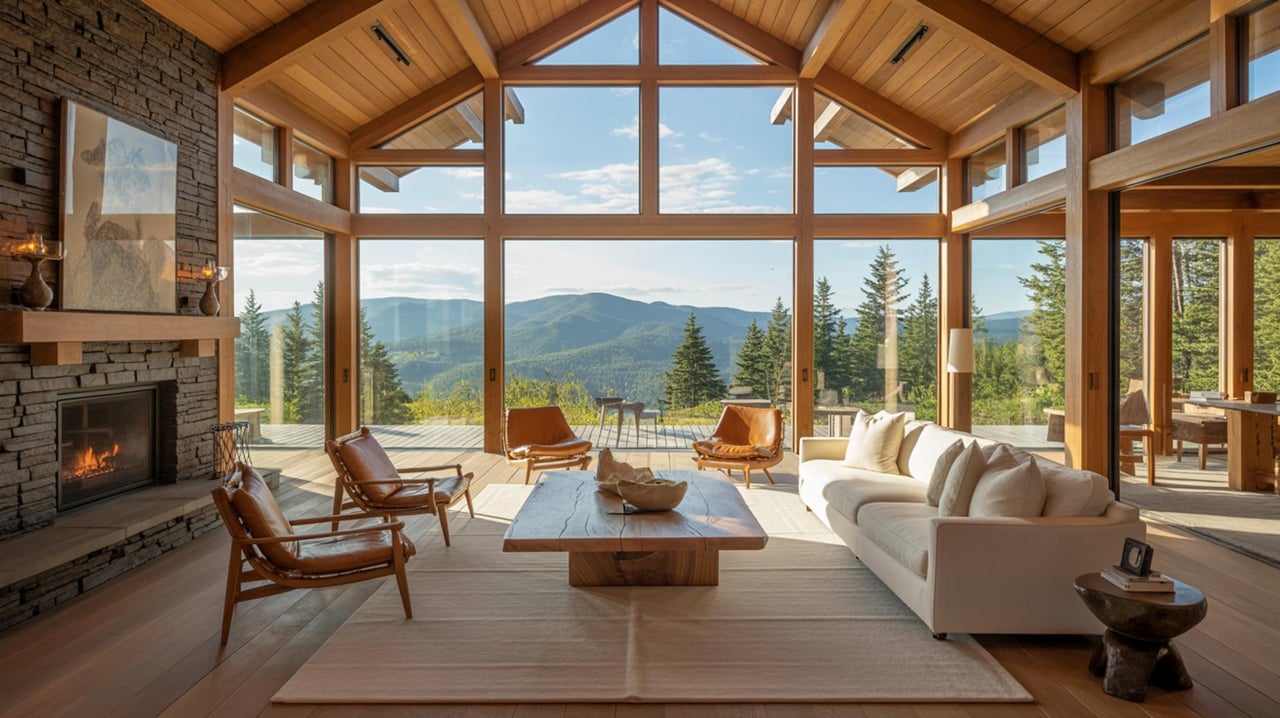


▶ Larger Windows and Glass Doors
Floor-to-ceiling glazing or expanded window openings maximize daylight and outdoor views.
▶ Skylights and Roof Windows
Perfect for stairwells, corridors, and bathrooms, skylights pull light deep into the building.
▶ Clerestory Windows
High-set windows bring in sunlight while maintaining privacy—ideal for urban or multi-family settings.
▶ Glass Partitions
Interior glass walls and railings allow light to flow through multiple rooms and levels.
Interior Design Strategies That Support Biophilia

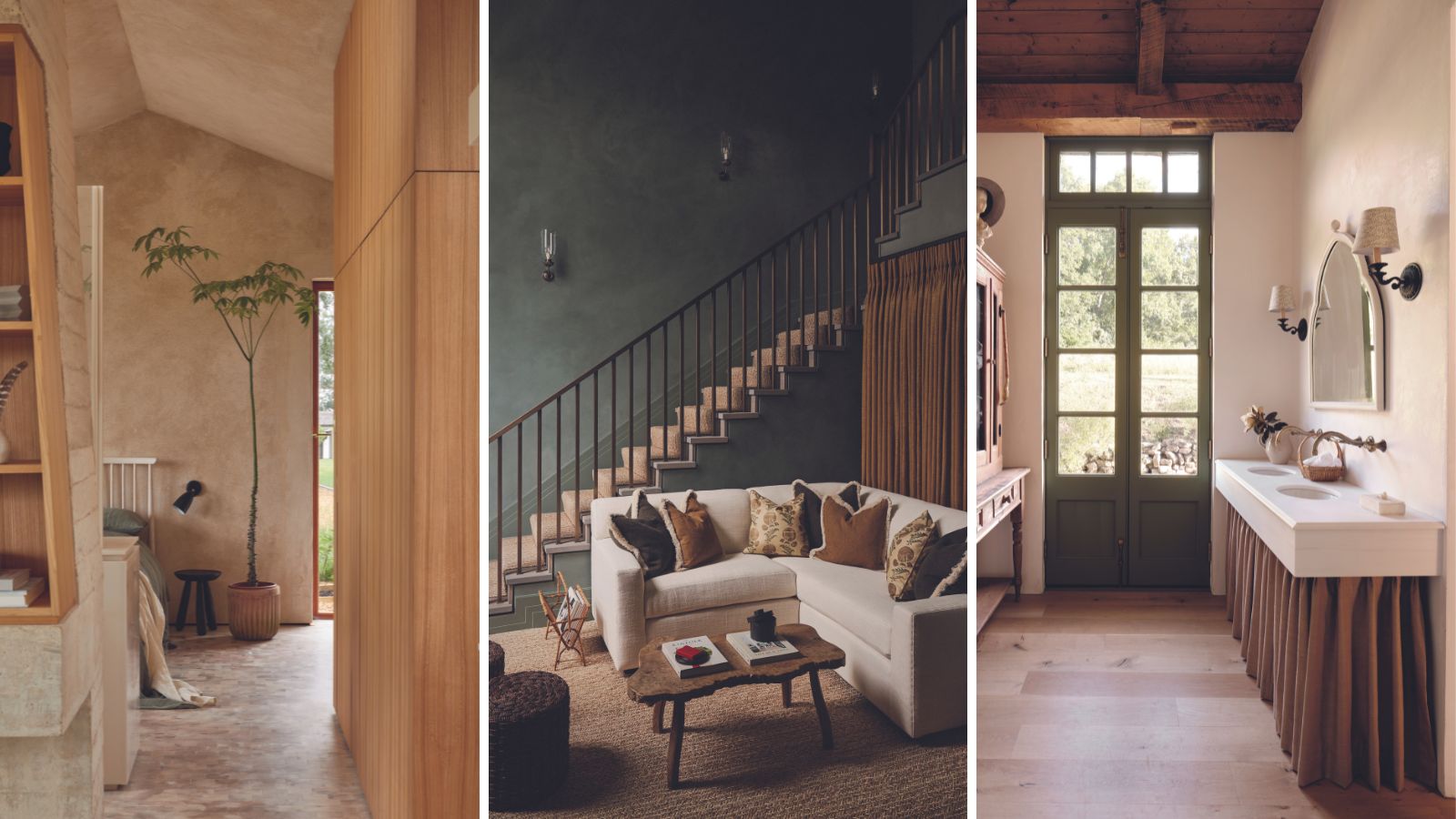


▶ Add Living Greenery
Houseplants, green walls, and planter boxes instantly soften interiors and improve air quality.
▶ Use Natural Materials
Wood accents, stone features, exposed concrete, and woven textiles reinforce nature-inspired aesthetics.
▶ Choose Earthy Color Palettes
Warm neutrals, greens, clay tones, and sandy hues complement daylight and outdoor views.
▶ Embrace Organic Forms
Curved furniture, textured surfaces, and layered materials echo patterns found in nature.
Why This Matters in Stairwells and Transitional Spaces
Staircases, corridors, and entryways are perfect candidates for daylight and biophilic upgrades.
These spaces benefit greatly from:
- Skylights above stair runs
- Tall windows at landings
- Indoor plants near railings
- Light-colored stair treads or landings
- Natural finishes like architectural concrete or stone
Bright, plant-filled stairwells feel safer, more welcoming, and easier to navigate—especially in apartment complexes and commercial buildings.
Benefits for Homes, Apartments, and Commercial Buildings
Residential Spaces
- Creates calm, uplifting interiors
- Improves resale appeal
- Makes smaller homes feel larger
- Enhances daily comfort
Apartment Complexes
- Elevates common areas
- Improves tenant satisfaction
- Reduces reliance on artificial lighting
- Adds architectural value
Commercial Buildings
- Boosts employee productivity
- Creates welcoming lobbies
- Improves brand perception
- Supports wellness-focused workplaces
Energy Efficiency and Sustainability
Natural light doesn’t just feel good—it can reduce energy use.
When designed correctly, daylighting:
- Cuts daytime lighting costs
- Works alongside energy-efficient glazing
- Supports passive solar heating
- Reduces carbon footprint
- Enhances sustainability credentials
Pairing daylight with durable materials—like concrete stair systems or stone floors—further strengthens a building’s long-term environmental performance.
Easy Ways to Add Biophilic Touches Without Major Construction
Not every project requires new windows or skylights.
Smaller upgrades can include:
✔ Adding large mirrors to bounce light
✔ Installing lighter wall finishes
✔ Placing plants near stair landings
✔ Swapping opaque railings for glass
✔ Using natural textures on floors and walls
✔ Improving artificial lighting to mimic daylight
These changes still deliver noticeable improvements in mood and aesthetics.
Quick Checklist: Are You Maximizing Natural Light and Biophilic Design?
Ask yourself:
✔ Do interior spaces feel dark or enclosed?
✔ Are stairwells windowless or dim?
✔ Could plants soften hard architectural edges?
✔ Are natural materials visible?
✔ Is daylight blocked by heavy partitions?
✔ Would brighter common areas improve impressions?
If yes, biophilic upgrades could make a major impact.
Final Thoughts: Designing With Nature in Mind
Letting in more natural light and embracing biophilic design isn’t just a trend—it’s a long-term investment in comfort, wellness, and property value.
From skylit staircases and plant-filled lobbies to daylight-rich apartments and offices, nature-connected spaces feel better to occupy and leave stronger impressions on visitors and tenants alike.
When paired with durable architectural elements—such as precast concrete stair systems or stone finishes—biophilic design creates interiors that are not only beautiful today, but built to perform for decades.