



Stair Treads Are Perfect for Your Indoor Space: Safe, Stylish, and Built to Last
Interior stairs work hard every day—connecting floors, carrying foot traffic, and shaping how a home or building feels the moment someone walks in. Whether you’re renovating a residence, upgrading a commercial lobby, or refreshing a multi-family property, installing high-quality stair treads is one of the smartest indoor improvements you can make.
Modern stair treads—especially precast concrete stair treads used indoors—deliver a powerful combination of durability, safety, design flexibility, and long-term value.
This guide explains why stair treads are ideal for interior spaces, what materials work best, and how upgrading treads can transform both performance and appearance inside your building.
Why Focus on Stair Treads Indoors?
Interior staircases experience:
- Constant daily use
- Furniture moving up and down
- Foot traffic from multiple occupants
- Cleaning equipment and carts
- Wear at step edges
- Polishing or slick finishes over time
Worn or outdated steps can become slippery, noisy, or visually tired.
New stair treads instantly:
✔ Improve traction
✔ Refresh appearance
✔ Extend stair life
✔ Reduce maintenance
✔ Increase property value
✔ Create a modern, professional look
Instead of rebuilding the entire staircase, replacing or upgrading the treads often delivers the biggest impact for the investment.
Why Precast Concrete Works Indoors Too
While precast concrete is famous for exterior stairs, it’s increasingly popular for interior applications as well—especially in contemporary homes, lofts, office buildings, and apartment complexes.
Interior precast concrete stair treads offer:
- Extreme durability for high-traffic areas
- Scratch resistance compared to wood
- Consistent dimensions for safer walking
- Fire resistance
- Low maintenance
- Architectural finishes that fit modern interiors
- Slip-resistant textures when needed
For commercial or multi-family interiors, these benefits translate into fewer repairs and predictable long-term costs.
Interior Stair Tread Styles and Finishes
Indoor stair treads come in a wide range of looks—from sleek modern to classic and understated.


▶ Smooth Architectural Concrete
Clean lines and crisp edges suit modern homes, offices, and loft spaces.
▶ Lightly Textured Finishes
Subtle texture improves traction while maintaining a refined indoor look.
▶ Exposed Aggregate Details
Decorative stone surfaces add visual interest and upscale character.
▶ Neutral Color Palettes
Natural gray or warm earth tones complement wood, steel, glass, and stone interiors.
How Stair Treads Improve Indoor Safety
Safety isn’t only an outdoor concern. Interior stairs are one of the most common locations for household and workplace accidents.
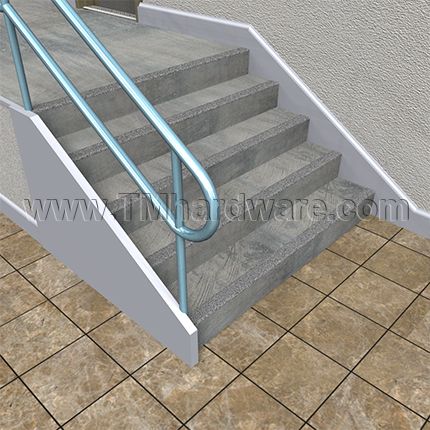
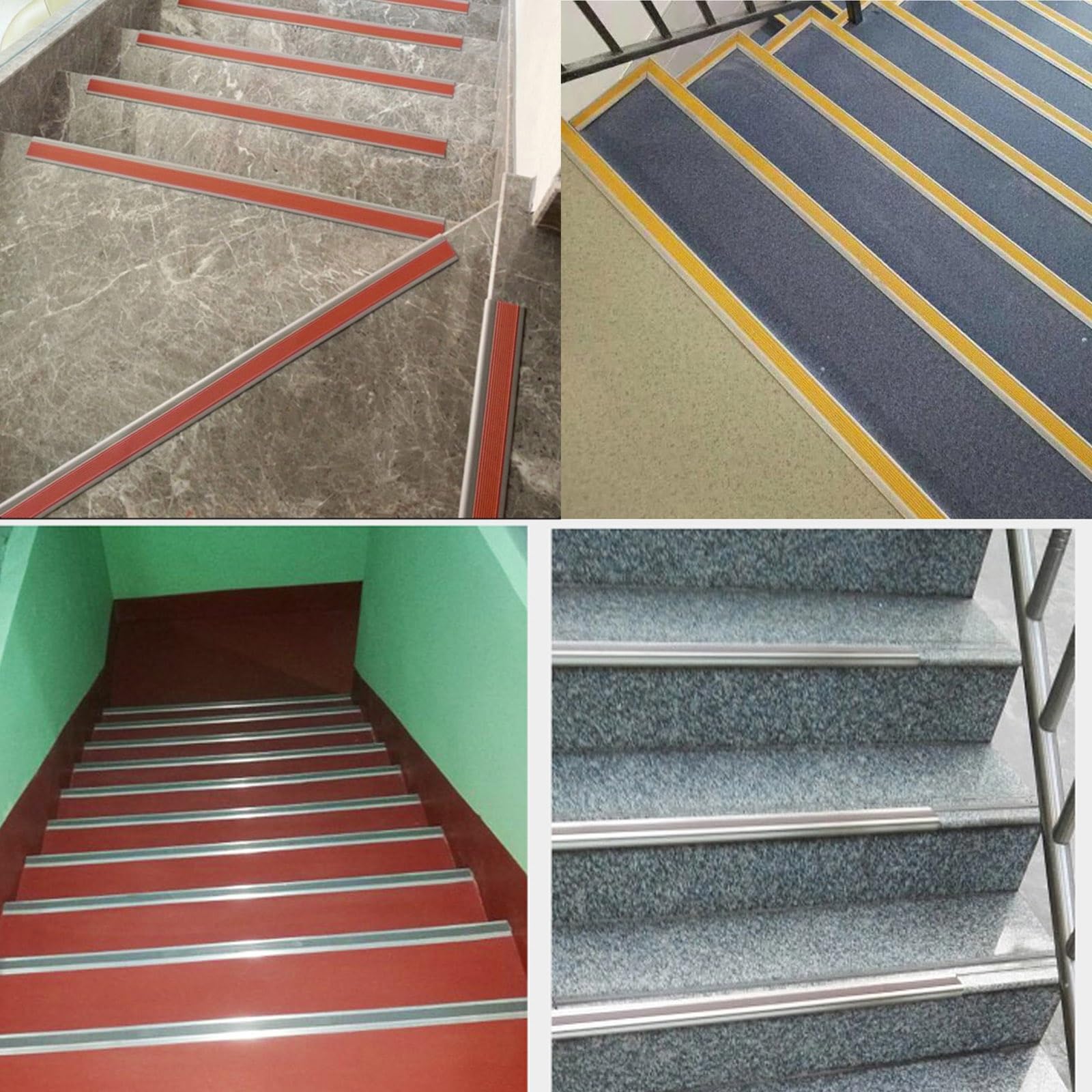
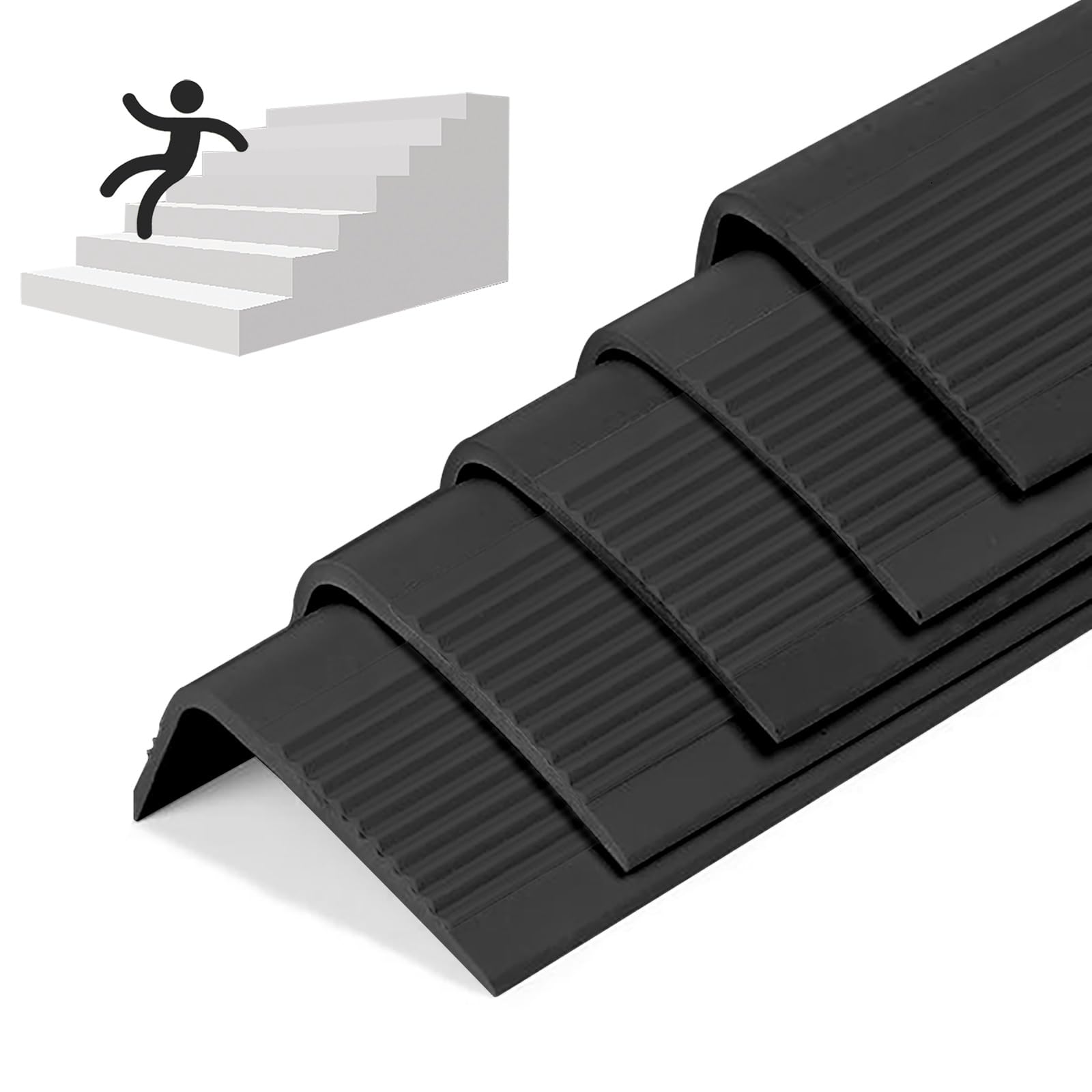

Well-designed stair treads improve safety through:
- Textured or slip-resistant surfaces
- Defined nosings
- Visual edge contrast
- Uniform tread depth
- Consistent riser heights
- Secure anchoring
These features reduce missteps and build user confidence—especially in multi-level homes, offices, and apartment buildings.
Perfect for Residential Interiors
In homes, upgraded stair treads enhance both form and function.
They’re ideal for:
- Entry staircases
- Basement stairs
- Loft access
- Split-level homes
- Renovations in older houses
- Modern architectural remodels
Concrete stair treads work particularly well in homes with open floor plans, metal railings, or industrial-modern design styles.
Ideal for Commercial and Multi-Family Interiors
Interior stairways in commercial spaces face far heavier use than residential ones.
Stair treads are commonly installed in:
- Office lobbies
- Apartment building interiors
- Retail centers
- Hotels
- Schools
- Medical buildings
- Parking-structure stairwells
For property managers, durable indoor stair treads reduce repair calls, extend replacement cycles, and keep common areas looking professional.
Renovating vs. Rebuilding Interior Stairs
Many stair upgrades don’t require tearing out the entire structure.
If the framing or concrete base is sound, replacing only the stair treads can:
- Save demolition costs
- Reduce downtime
- Minimize disruption to occupants
- Preserve architectural features
- Upgrade safety immediately
- Refresh aesthetics dramatically
Precast concrete treads are particularly useful for rehabilitation projects because they can be custom-sized to fit existing stair frames.
How to Choose the Right Indoor Stair Treads
Before selecting new stair treads, consider:
✔ Traffic volume
✔ Desired appearance
✔ Slip-resistance needs
✔ Maintenance expectations
✔ Sound control
✔ Fire-resistance requirements
✔ Retrofit vs. new construction
✔ Local building code requirements
For busy interiors, prioritize materials that resist scratching and polishing over time.
Long-Term Value of Indoor Stair Treads
High-quality stair treads pay off year after year.
Owners benefit from:
- Reduced repair frequency
- Lower refinishing costs
- Improved safety records
- Increased property value
- Cleaner, newer appearance
- Longer replacement cycles
For apartment complexes and commercial buildings, these savings multiply across floors and buildings.
Quick Checklist: Are Stair Treads Right for Your Indoor Space?
Ask:
✔ Are existing steps worn or slippery?
✔ Is the staircase part of a renovation project?
✔ Do you want a modern, durable finish?
✔ Would replacing only the treads save money?
✔ Is safety a priority for occupants or guests?
✔ Do you want lower long-term maintenance?
If yes, upgrading stair treads is a smart move.
Final Thoughts: Elevating Interiors With Stair Treads
Interior staircases deserve the same attention as flooring, lighting, and finishes—and stair treads are at the center of that experience.
By upgrading traction, durability, and design, stair treads transform indoor spaces while delivering safer daily use and long-term performance. For high-traffic interiors or modern renovations, precast concrete stair treads offer a compelling blend of strength, style, and value.